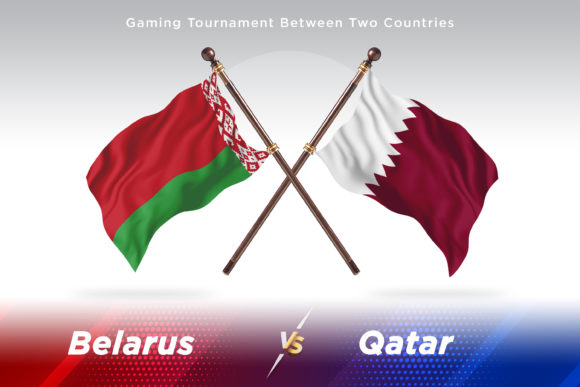
Belarus Versus Qatar Two Flags: Elevating Visual Storytelling with Precision Flag Illustrations
In the realm of digital design, sports broadcasting, and geopolitical analysis, visual accuracy is not merely an aesthetic choice—it is a fundamental requirement for credibility. The Belarus Versus Qatar Two Flags concept illustration represents more than just a pair of national symbols; it serves as a critical tool for creators who need to communicate complex international narratives quickly and effectively. Whether you are designing for a football match broadcast, preparing educational materials on global diplomacy, or creating content for a travel blog, having access to high-fidelity, properly layered flag assets can significantly streamline your workflow.
The specific demand for isolated, 3D-waving flag illustrations stems from a broader shift in user expectations. Audiences today expect dynamic, realistic visuals that convey motion and presence, even in static media. A flat, two-dimensional image often fails to capture the gravity of an international event. By utilizing a Belarus versus Qatar Two Flags Versus concept illustration, designers can provide depth and realism that engages viewers immediately. This article explores why these specific assets matter, how they fit into modern creative workflows, and the practical benefits of using well-organized PSD files for professional projects.
The Evolution of National Symbolism in Digital Media
National flags have always been potent symbols, but their usage in digital media has evolved dramatically over the past decade. In the early days of web design, flags were often small, pixelated icons used sparingly in navigation bars or contact sections. Today, they are central to storytelling. From major sporting events like the FIFA World Cup to international business summits and humanitarian aid campaigns, flags set the context for the viewer. They instantly communicate origin, affiliation, and stakes.
The trend toward "Versus" concepts—where two nations are pitted against each other visually—has become particularly prominent in sports journalism and esports. However, this format extends beyond athletics. It appears in economic comparisons, cultural exchange programs, and political commentary. In these contexts, the visual representation must be impeccable. A miscolored flag or a poorly rendered texture can undermine the professionalism of the entire piece. This is where the Official Country Flags from all of the world come into play, ensuring that every design element adheres to strict diplomatic and heraldic standards.
Why Belarus and Qatar? Analyzing the Pairing
While the pairing of Belarus and Qatar might seem specific, it reflects the increasing globalization of interests. Qatar, a hub for international sports and diplomacy, frequently hosts global events that draw attention from nations across Europe and Asia. Belarus, with its rich history and strategic location, often participates in these same arenas. When these two nations intersect in media coverage—whether in a friendly football match, a trade agreement discussion, or a cultural festival—the need for accurate visual representation becomes paramount.
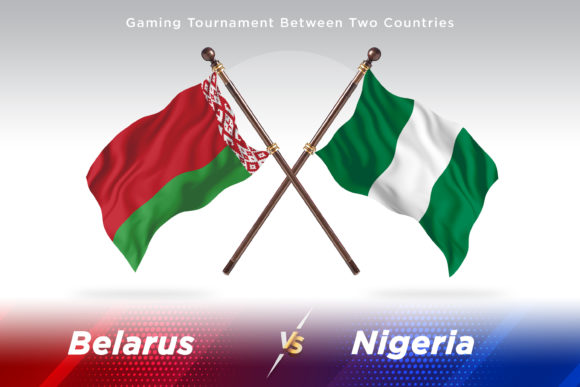
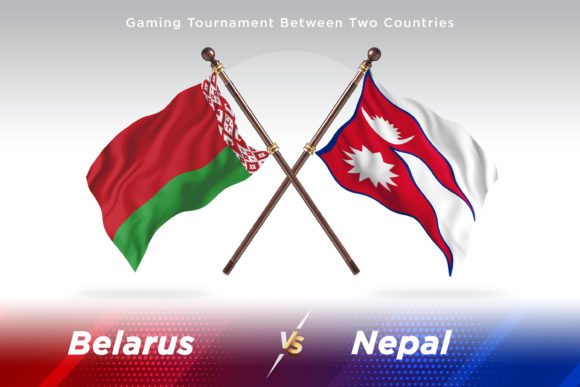
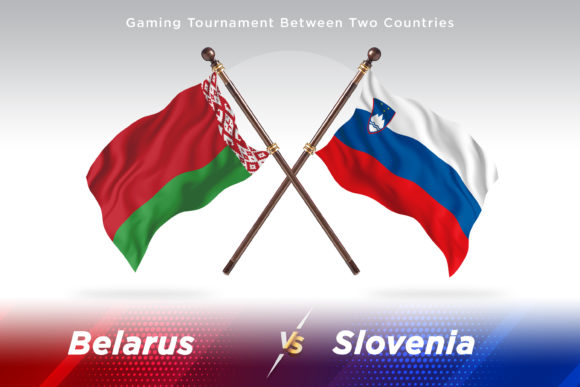
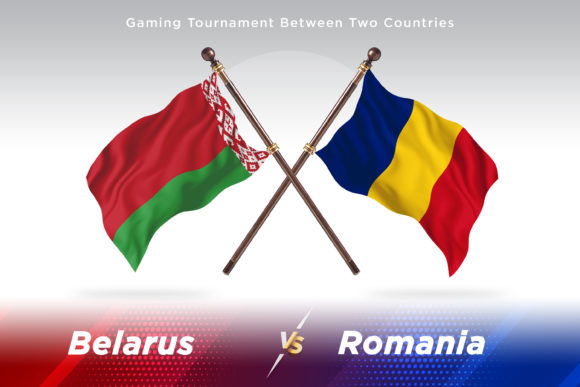
For creators, the challenge lies in capturing the unique identity of each nation through its flag. The Belarusian flag features a distinctive red and green horizontal bicolor with a vertical white-red ornamental pattern on the hoist side. The Qatari flag is characterized by its maroon color and a serrated edge with nine points. Rendering these details accurately requires precision. A generic clip-art approach fails to honor the specific heraldry of either country. The Belarus Versus Qatar Two Flags illustration addresses this by providing a tailored, high-resolution asset that respects the unique design elements of both nations.
Technical Superiority: The Power of Layered PSD Files
One of the most significant advantages of using dedicated flag bundles is the technical flexibility they offer. Many free online resources provide images that are flattened, compressed, or locked into rigid formats. This limits the designer’s ability to adapt the image to different backgrounds, lighting conditions, or layout requirements. In contrast, a professional-grade asset like the one described here offers distinct layers for each flag.
Consider the workflow implications. If you are designing a banner for a news article, you might need to place the Belarus flag on the left and the Qatar flag on the right, perhaps with a subtle shadow effect to separate them from a busy background. With a PSD 4500 x 3000 px file, each flag is isolated on its own layer. This means you can:
- Edit individual colors: Adjust the hue or saturation of the maroon in the Qatari flag without affecting the rest of the image.
- Apply effects independently: Add drop shadows, glows, or textures to one flag while leaving the other untouched.
- Resize and reposition: Move the flags around the canvas freely without worrying about losing resolution or blending artifacts.
- Utilize Smart Objects: Modern design software allows you to edit Smart Objects, meaning you can replace the flag content or adjust its properties non-destructively.
This level of control is essential for professionals who work under tight deadlines and need to iterate quickly. The Well organized layers mentioned in the asset description ensure that even designers with varying levels of expertise can navigate the file structure efficiently. There is no guessing which layer controls the wave effect or the border; everything is clearly labeled and accessible.
Real-World Applications for Creators and Businesses
The utility of the Belarus versus Qatar Two Flags Versus concept illustration extends across multiple industries. For marketers, such visuals are crucial for targeted advertising campaigns. If a company is launching a product in both Doha and Minsk, using localized imagery can increase engagement and relevance. For educators, these illustrations serve as valuable tools in geography and history lessons, helping students visualize international relationships and distinctions.
Bloggers and content creators also benefit significantly. In an era where attention spans are short, a high-quality, eye-catching header image can make the difference between a click and a scroll-past. The 3D waving position adds a sense of dynamism that static images lack, drawing the reader’s eye and encouraging them to delve deeper into the content. Furthermore, the availability of 1 JPEG and 1 PNG versions alongside the PSD file ensures compatibility across various platforms. The JPEG is ideal for web use due to its smaller file size, while the PNG supports transparency, allowing for seamless integration into designs with complex backgrounds.
Bridging Gaps Through Accurate Representation
In a globalized world, the way we represent nations carries weight. Accuracy in visual communication fosters respect and understanding. When a designer takes the time to use official, correctly proportioned flags, it signals to the audience that the content is trustworthy and well-researched. Conversely, sloppy or incorrect representations can lead to confusion or even offense.
The Official Country Flags from all of the world bundle acknowledges this responsibility. By providing assets that are true to life, it empowers creators to tell stories that are both visually stunning and factually sound. This is particularly important when dealing with sensitive topics or high-stakes events. The ability to ask for additional flags if needed further enhances the value of such resources, ensuring that no matter the pairing, the visual output remains consistent and professional.
Practical Recommendations for Designers
To get the most out of assets like the Belarus Versus Qatar Two Flags illustration, designers should adopt a few best practices. First, always start with the highest resolution source file (the PSD) to maintain quality during the editing process. Second, take advantage of the smart objects to experiment with different layouts before finalizing the composition. Third, consider the context of the background. Since the flags are isolated, you have the freedom to place them against any backdrop, but ensure that the lighting and perspective of the flags match the environment to maintain realism.
Additionally, keep accessibility in mind. While the visual impact of 3D waving flags is strong, ensure that the accompanying text provides sufficient contrast and readability. The goal is to enhance the message, not obscure it. Finally, remember that these assets are tools for communication. Use them to highlight similarities and differences, to celebrate shared achievements, or to analyze competitive dynamics. The Belarus versus Qatar Two Flags Versus concept is a versatile starting point for a wide range of narrative possibilities.
Conclusion
The demand for high-quality, accurate, and flexible visual assets continues to grow as digital content becomes more sophisticated. The Belarus Versus Qatar Two Flags illustration exemplifies this trend by offering a blend of artistic realism and technical utility. Its layered structure, high resolution, and adherence to official standards make it an invaluable resource for anyone involved in creating international content. By leveraging such tools, designers, marketers, and educators can produce work that is not only visually compelling but also respectful and precise. As the digital landscape evolves, the ability to communicate effectively through accurate symbolism will remain a key differentiator for successful creators.