Belarus Versus Slovenia Two Flags: A Detailed Analysis of the 3D Waving Flag Illustration Bundle
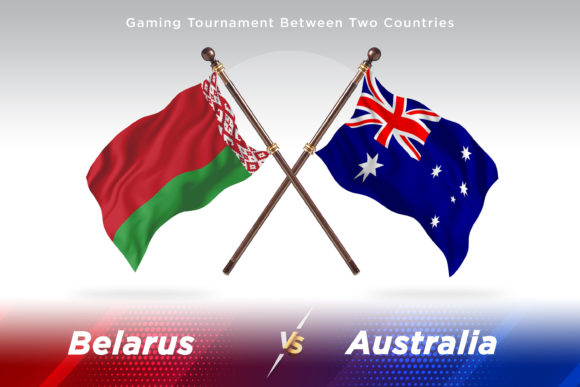
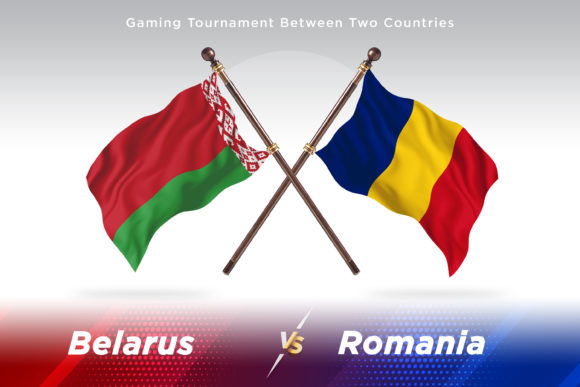
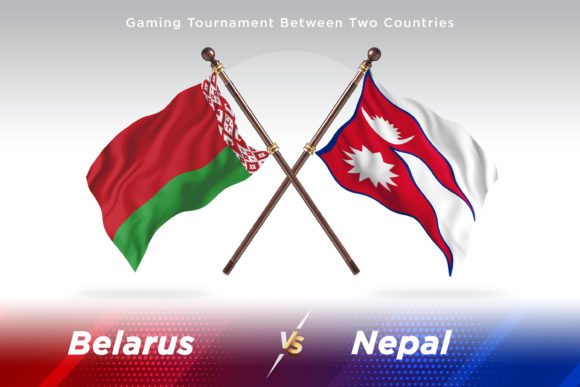
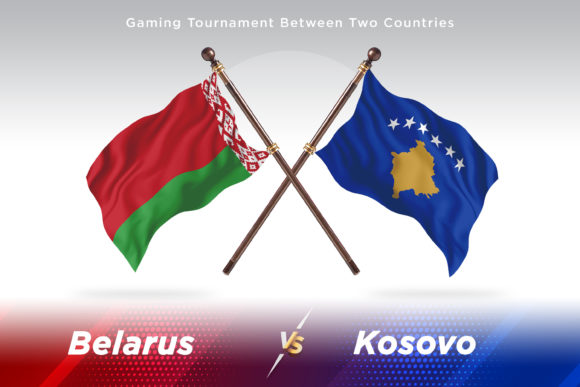
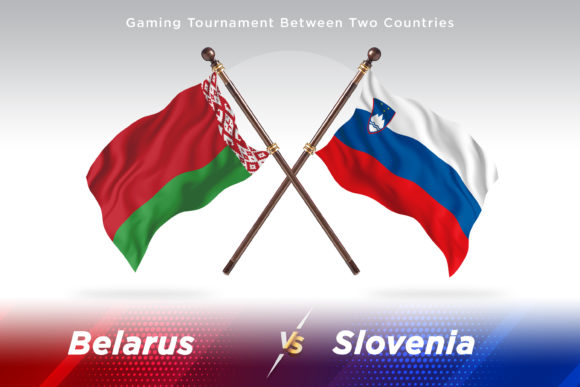
In the realm of graphic design, sports broadcasting, and international event visualization, the representation of national identity is paramount. One specific asset that has garnered attention in digital marketplaces is the Belarus Versus Slovenia Two Flags concept illustration. This resource is not merely a static image but a comprehensive design package featuring official country flags from around the world, presented in a dynamic, isolated 3D waving position. For designers, marketers, and content creators looking to produce high-quality visual comparisons or match-day graphics, understanding the technical specifications and creative potential of this bundle is essential.
This article explores the features, utility, and decision-making factors surrounding the Belarus versus Slovenia two flags versus concept illustration. We will examine how this specific asset fits into broader design workflows, its technical advantages, and when it serves as the optimal choice for your projects.
Understanding the Core Concept
The primary appeal of the Belarus Versus Slovenia Two Flags illustration lies in its dual nature: it combines symbolic national identity with professional-grade 3D rendering. Unlike flat vector graphics or low-resolution photographs, this asset presents the flags in a "waving" position, which adds a sense of motion, realism, and prestige to any composition. The isolation on an independent background ensures that these elements can be seamlessly integrated into various layouts without complex masking or background removal.
The concept extends beyond just these two nations. The bundle includes official country flags from all over the world, organized systematically. This makes it a versatile tool for creating head-to-head comparisons, tournament brackets, or educational materials about global geography and culture. The inclusion of both Belarus and Slovenia provides a specific use case—perhaps for a hypothetical sporting event, a diplomatic discussion, or a comparative study—but the underlying structure supports infinite combinations.
Technical Specifications and Workflow Efficiency
For professionals working in Adobe Photoshop or similar raster-based design software, the technical architecture of this file is a significant selling point. The bundle is delivered in multiple formats to accommodate different stages of production:
- 1 PSD File (4500 x 3000 px): The high-resolution source file allows for extensive editing. The dimensions provide ample pixel density for large-format prints or high-DPI screen displays.
- 1 JPEG and 1 PNG: These flattened versions are ready for immediate use in web contexts, social media posts, or presentations where editing layers is unnecessary.
A critical feature of this asset is the use of smart objects. This functionality enables designers to edit the design non-destructively. If you need to swap the Belarus flag for another nation’s flag, or adjust the lighting and shadow effects, the smart object layer preserves the integrity of the original 3D model while allowing for customization. This saves considerable time compared to rebuilding a 3D scene from scratch.
Furthermore, the layers are well-organized. In complex design projects, chaotic layer structures can lead to errors and inefficiencies. Here, each flag is isolated on its own layer with the proper name attached. This logical organization facilitates quick navigation within the Layers panel, ensuring that adjustments to one flag do not inadvertently affect the other. It also simplifies the process of exporting individual assets if needed.
Comparing Approaches: Static vs. Dynamic Representations
When evaluating visual resources for "versus" concepts, designers often choose between static vector icons and dynamic 3D renders. The Belarus versus Slovenia two flags versus illustration represents the latter category, offering distinct advantages and tradeoffs.
Advantages of the 3D Waving Style
The waving effect introduces depth and texture. Fabric folds, light reflections, and subtle shadows create a tactile quality that flat vectors lack. This is particularly effective in:
- Sports Graphics: Match posters, broadcast overlays, and team introductions benefit from the energy and movement implied by waving flags.
- Premium Presentations: Corporate or academic presentations seeking a polished, high-end aesthetic find that 3D elements command more attention than standard clip art.
- Digital Marketing: Animated or static images with realistic textures tend to have higher engagement rates on social media platforms due to their visual richness.
Limitations and Considerations
However, this style is not universally appropriate. The detailed rendering requires more processing power to view and edit. Additionally, the specific aesthetic of a "waving" flag may clash with minimalist design systems that prioritize clean lines and abstract shapes. If your project demands a strict geometric or monochromatic look, this colorful, textured asset might feel out of place.
Another consideration is the accuracy of the flag designs. While the bundle claims to include "official country flags," designers should always verify color codes and proportions against authoritative sources like FIAV (Fédération Internationale des Associations Vexillologiques) or government standards. Minor discrepancies in shade or emblem placement can undermine the professionalism of the final output.
Decision Factors: When to Choose This Asset
Selecting the right visual resource depends on the specific goals of your project. Below are scenarios where the Belarus Versus Slovenia Two Flags bundle is likely the best fit, alongside situations where alternative approaches might be preferable.
Ideal Use Cases
- Tournament Brackets and Standings: If you are designing a visual guide for a competition involving Belarus and Slovenia, this isolated pair allows you to drop them directly into a bracket template without worrying about background integration.
- Educational Content: Teachers and content creators making videos or articles about European nations can use these high-quality images to illustrate points about cultural identity or historical context.
- Customizable Templates: Because of the smart object feature, this bundle serves as an excellent starting point for creating reusable templates. You can save the file as a master template and simply swap out the flags for future events.
When to Look Elsewhere
If your workflow relies heavily on vector scalability for massive print runs (such as billboards) where file size is a concern, you might prefer pure SVG files. While the provided PSD is high resolution, converting it to vector paths after the fact can result in loss of detail. Similarly, if you need a completely abstract representation of rivalry rather than literal national symbols, icon-based sets would be more appropriate.
Exploring Alternatives and Customization
No single asset library covers every possible need. The creator of this bundle acknowledges that users may require flags not present in the initial set. The offer to create additional flags upon request highlights a flexible service model. This is crucial for niche topics or emerging geopolitical scenarios where standard bundles might lag behind current events.
For those who cannot wait for custom additions, there are general alternatives available in the market:
- Generic Flag Sets: Many stock photo sites offer collections of national flags. However, these often lack the cohesive lighting and consistent 3D perspective found in specialized bundles like the Belarus vs. Slovenia illustration.
- Vector Icon Libraries: Platforms like Flaticon or Noun Project provide vast libraries of flag icons. These are ideal for UI/UX design but lack the dramatic impact of the 3D waving format.
- DIY 3D Modeling: Advanced users could model their own flags using software like Blender. While this offers total control, it requires significant time and expertise, making pre-made bundles far more efficient for most professionals.
Best Practices for Implementation
To get the most out of the Belarus Versus Slovenia Two Flags illustration, consider the following practical tips:
- Maintain Aspect Ratio: When resizing the smart objects, hold the shift key (or equivalent) to prevent distortion of the flag proportions.
- Check Color Profiles: Ensure your document’s color profile (sRGB for web, CMYK for print) matches the intended output to avoid unexpected color shifts in the reds and blues of the flags.
- Leverage Layer Styles: Experiment with adding drop shadows or outer glows to the isolated flags to make them pop against darker backgrounds, enhancing the "versus" confrontation theme.
- Organize Your Project: Once you have swapped out flags or made edits, group related layers and rename them clearly. This practice is vital if you plan to return to the file later or hand it off to a colleague.
Conclusion on Utility and Value
The Belarus Versus Slovenia Two Flags concept illustration represents a solid investment for designers seeking high-quality, editable, and visually striking national symbols. Its combination of 3D realism, organized layer structure, and multi-format delivery addresses common pain points in graphic design workflows. By providing official representations in an isolated, waving state, it simplifies the creation of compelling comparison visuals.
While it may not replace the need for vector icons in interface design or the bespoke nature of custom photography, it excels in contexts requiring immediate impact and ease of use. Whether for sports graphics, educational materials, or marketing campaigns, this asset offers a balanced solution that respects both aesthetic quality and practical efficiency. For those navigating the decision between various flag resources, the specificity and technical robustness of this bundle make it a strong contender in the market.