Belarus Versus Kosovo Two Flags: A Detailed Analysis of Design Assets and Usage Scenarios
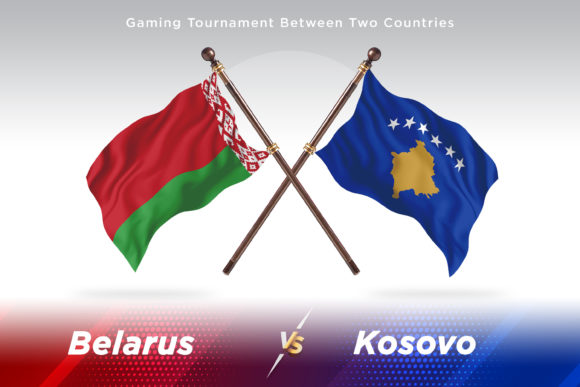
In the realm of graphic design, sports broadcasting, and digital content creation, the visual representation of national identity is paramount. One specific asset that frequently surfaces in creative marketplaces is the Belarus versus Kosovo two flags concept illustration. This resource typically presents a high-quality, isolated 3D rendering of the national flags of Belarus and Kosovo, designed for immediate integration into various media projects. Understanding the technical specifications, aesthetic qualities, and practical applications of this asset helps designers and marketers make informed decisions about their visual communication strategies.
Understanding the Core Asset
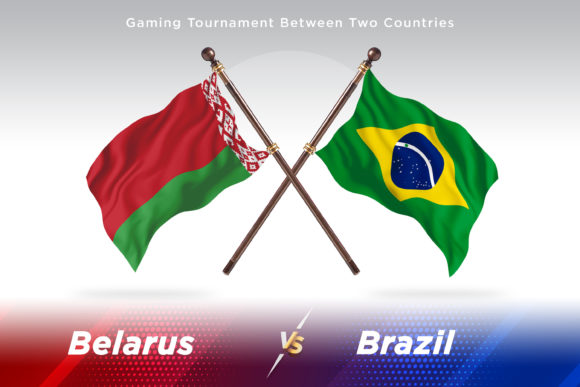
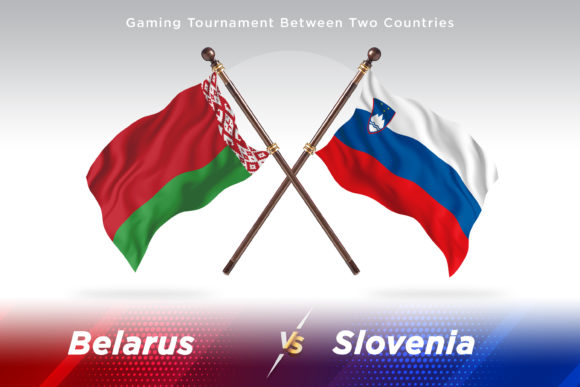
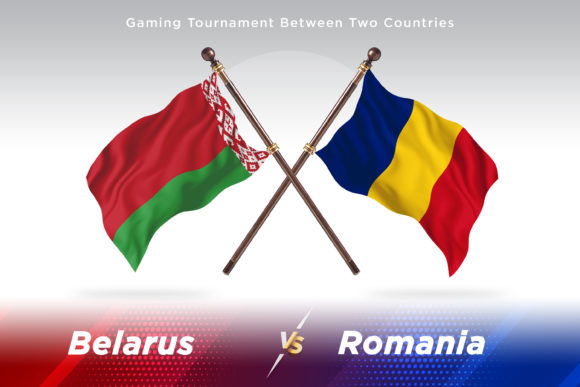
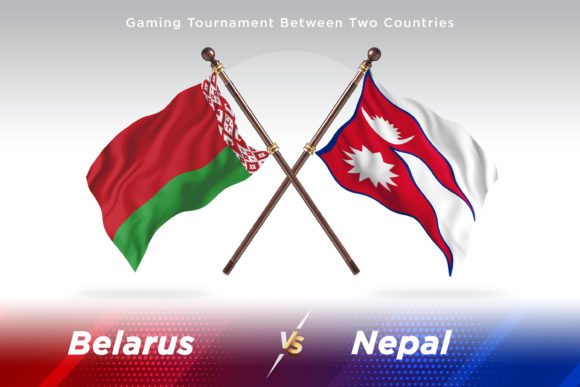
The Belarus versus Kosovo two flags illustration is not merely a static image; it is a comprehensive design package intended to convey dynamic movement and professional polish. The core concept revolves around the juxtaposition of these two distinct national symbols. Belarus, with its red and green horizontal bands and intricate white-red ornamental pattern on the hoist side, offers a bold, geometric aesthetic. In contrast, Kosovo’s flag features a golden map of the country above six white stars against a blue background, symbolizing unity among ethnic groups. When placed in a "versus" or comparative layout, these designs create a striking visual balance.
What makes this particular asset distinct is its presentation as an isolated background illustration. By removing any distracting environmental elements, the focus remains entirely on the flags themselves. This isolation allows for maximum versatility. Whether the flag is being used for a sports match graphic, a political commentary blog, or a cultural comparison video, the clean background ensures it can be easily overlaid onto any color scheme or texture without clashing.
Technical Specifications and Workflow Efficiency
For professionals working under tight deadlines, the technical structure of the file is just as important as its visual appeal. The standard bundle for this type of illustration includes three primary formats:
- 1 PSD (Photoshop Document): Typically sized at 4500 x 3000 pixels, this high-resolution source file is the cornerstone of the package. The large dimensions ensure that the image remains crisp even when scaled up for print materials like banners or posters.
- 1 JPEG: A compressed version suitable for web use, social media posts, and quick previews where file size is a concern but quality must remain high.
- 1 PNG: A transparent background version that allows for seamless integration into designs with complex or colorful backgrounds.
A critical feature of the PSD file is the use of smart objects. This technology allows designers to edit the flag images non-destructively. If a client requests a slight color adjustment or if a new version of a flag design is released, the designer can simply double-click the smart object layer, update the content, and have the entire composition reflect the change instantly. This workflow saves significant time compared to manually masking or recreating vector shapes from scratch.
Comparing Styles: 3D Waving vs. Flat Design
When evaluating flag illustrations, one must consider the stylistic approach. The Belarus versus Kosovo two flags asset described here utilizes a 3D waving position. This style differs significantly from flat, minimalist vector designs often found in modern UI/UX interfaces.
The Impact of Realism
The 3D rendering technique simulates the physics of fabric catching the wind. This introduces depth, shadows, highlights, and subtle folds to the material. For contexts such as international sports events, diplomatic summits, or news broadcasts, this realism adds a sense of gravitas and authenticity. It mimics how flags appear in real life, which can subconsciously enhance the viewer's engagement by grounding the digital image in physical reality.
However, this comes with trade-offs. A highly detailed 3D flag requires more visual weight. In a cluttered interface or a mobile-first design where screen space is limited, the complexity of the 3D waves might compete with other textual or graphical elements. In such cases, a flat 2D vector might be the superior choice for clarity and speed of reading.
Layer Organization and Customization
The value of this asset is further amplified by its well-organized layers. In a typical setup, each flag is isolated on its own layer. This means a designer can independently manipulate the position, rotation, or scale of the Belarus flag without affecting the Kosovo flag. Furthermore, because the names are properly labeled in the layer panel, navigation through the file is intuitive. This organization is crucial for collaborative projects where multiple designers may need to tweak different aspects of the composition.
Use Cases and Strategic Applications
Knowing what the asset is, the next step is determining when to use it. The Belarus versus Kosovo two flags concept is versatile but shines brightest in specific scenarios.
Sports and Competition Graphics
The most common application is in sports journalism and broadcasting. If Belarus and Kosovo are competing in a sporting event—such as basketball, volleyball, or chess—the dual-flag illustration serves as an immediate visual cue for viewers. The "versus" layout naturally implies competition. The 3D waving effect adds energy and excitement, mirroring the dynamism of the game itself. Designers can place these flags on either side of a scoreboard, team stats, or player profiles to maintain visual symmetry.
Educational and Cultural Content
Beyond sports, this asset is valuable for educational platforms comparing national cultures, economies, or histories. The clear separation of the two flags allows educators to draw parallels or contrasts between the two nations. The high resolution ensures that fine details, such as the specific shade of red in the Belarusian ornament or the precise placement of the stars on the Kosovo flag, are visible, supporting accurate information delivery.
Digital Marketing and Social Media
For marketing campaigns targeting diaspora communities or international audiences, using official country flags can foster a sense of connection and pride. A well-designed post featuring both flags can signal inclusivity or highlight a bilateral relationship. The provided PNG version is particularly useful here, allowing marketers to overlay the flags onto lifestyle imagery or product photography without a harsh white box surrounding them.
Evaluation Criteria: Strengths and Limitations
To make an informed decision, it is essential to weigh the pros and cons of utilizing this specific type of stock illustration.
Strengths
- Immediate Usability: The inclusion of PSD, JPEG, and PNG covers almost all common design needs, reducing the need to search for multiple variations.
- High Resolution: At 4500 x 3000 pixels, the asset is future-proof for high-DPI screens and large-format printing.
- Editability: Smart objects and organized layers empower designers to customize the image extensively, ensuring it fits unique brand guidelines.
- Visual Appeal: The 3D waving style is generally more engaging than static images, helping to capture attention in crowded digital feeds.
Limitations
- Specificity: This asset is tied to two specific countries. If a project requires a broader set of European flags or a different regional pairing, this single file may not suffice. However, many providers offer extensive libraries where users can request additional flags not present in the initial bundle.
- File Size: The high-resolution PSD file will likely be large, requiring robust hardware and sufficient storage space for editing.
- Stylistic Rigidity: While the 3D look is popular, it may not align with brands that adhere strictly to flat, neo-brutalist, or ultra-minimalist design languages.
Decision Factors for Buyers
When deciding whether to acquire the Belarus versus Kosovo two flags illustration, consider the following questions:
- What is the output medium? If you are designing for web-only, the JPEG and PNG may be sufficient. If you plan to print banners or billboards, the 4500px width of the PSD is essential.
- Do you need customization? If your project requires changing the angle of the flags or integrating them into a complex scene, the layered PSD with smart objects is a necessity. Using a flat JPEG would limit your creative options significantly.
- Is consistency required across a series? If you are creating a series of comparisons involving other countries, check if the provider offers matching assets for those pairs. Consistent styling across multiple graphics builds a stronger professional brand identity.
Ultimately, the Belarus versus Kosovo two flags concept illustration represents a high-value tool for anyone needing to represent these two nations visually with professionalism and impact. Its combination of technical flexibility, aesthetic quality, and ease of use makes it a strong candidate for a wide range of design projects. By understanding its capabilities and limitations, creators can leverage this asset to enhance their visual storytelling effectively.