Belarus Versus Ghana Two Flags: Integrating High-Quality Vector Assets into Professional Design Workflows
In the landscape of digital content creation, visual accuracy and aesthetic precision are not merely decorative elements; they are foundational components of effective communication. Whether you are a graphic designer preparing assets for an international sports event, a marketer developing campaign materials for global audiences, or an educator creating instructional resources, the integrity of your visual data matters. This is where specialized assets like the Belarus Versus Ghana Two Flags concept illustration become critical tools in your workflow. These are not just static images but structured, editable files designed to integrate seamlessly into professional design environments, offering both immediate utility and long-term flexibility.
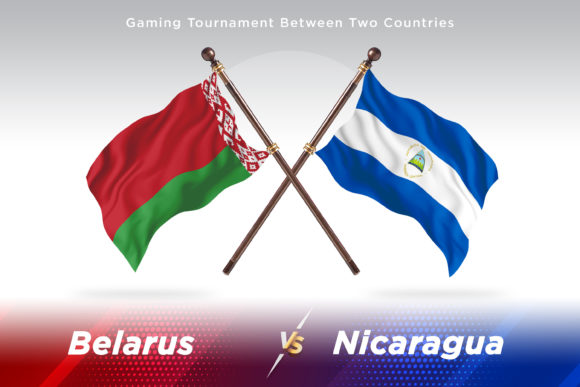
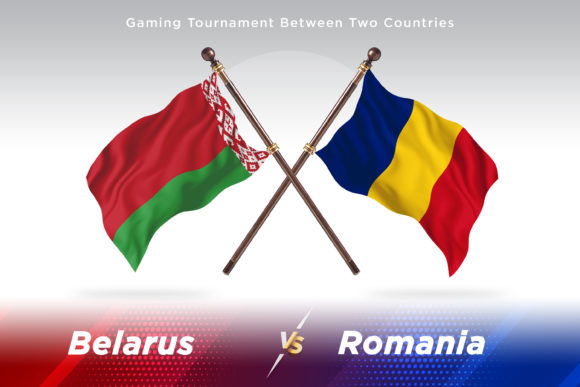
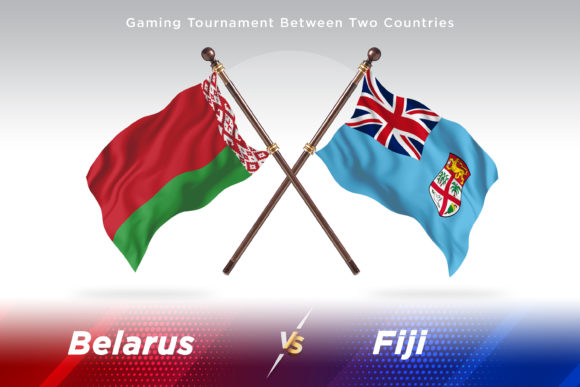
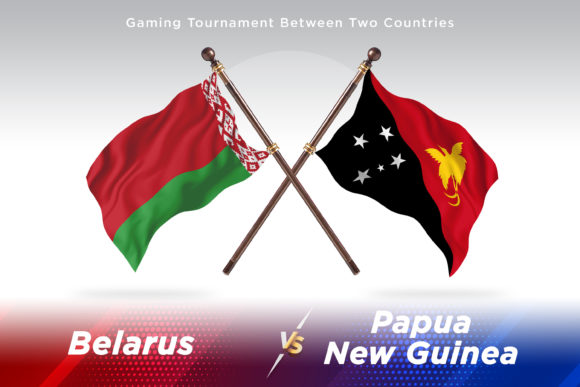
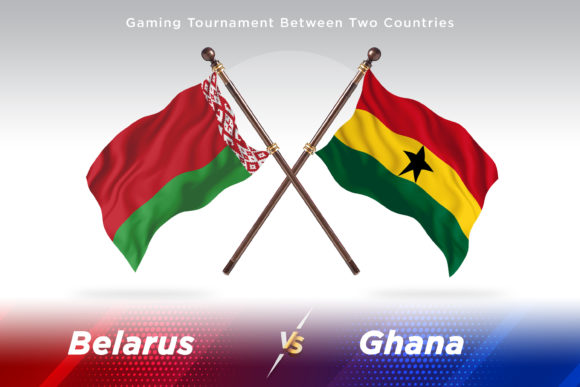
The specific asset bundle described—a high-resolution 3D waving flag illustration featuring Belarus and Ghana—represents a sophisticated approach to handling national symbols in digital media. By providing isolated layers, smart object compatibility, and multiple export formats, this resource addresses common pain points in the creative process: scalability, consistency, and ease of modification. Understanding how to leverage such assets can significantly reduce production time while ensuring that the final output meets professional standards for quality and authenticity.
Understanding the Asset Structure and Technical Specifications
To fully appreciate the value of the Belarus versus Ghana two flags illustration, one must first understand its technical architecture. The bundle includes three primary file types: a PSD (Photoshop Document) at 4500 x 3000 pixels, a JPEG, and a PNG. Each format serves a distinct purpose in different stages of the design pipeline, allowing professionals to choose the right tool for the specific task at hand.
The PSD file is the cornerstone of this bundle. At 4500 x 3000 pixels, it offers exceptional resolution, suitable for large-format prints, high-DPI web displays, and detailed vector editing. The inclusion of "smart objects" is particularly significant for users who require non-destructive editing capabilities. Smart objects allow designers to scale, rotate, or apply effects to the flag imagery without degrading the original pixel data. This feature is essential for maintaining image quality across various mediums, from social media thumbnails to billboard advertisements.
Furthermore, the description highlights that each flag is isolated on its own layer with the proper name. In a complex design project, layer organization is often the difference between a streamlined workflow and a chaotic mess. Pre-named, isolated layers mean that a designer can instantly toggle the visibility of the Belarus flag without accidentally affecting the Ghana flag, or vice versa. This level of granularity supports rapid iteration and precise control, which are vital when working under tight deadlines or when making last-minute adjustments based on client feedback.
Workflow Integration: From Concept to Final Output
The utility of the Belarus versus Ghana two flags illustration extends beyond simple display. It fits into several key phases of a creative or business workflow, enhancing efficiency at each stage.
Pre-Production and Planning
Before any rendering or coding begins, planners often need mockups or visual references to communicate ideas to stakeholders. Using the pre-made 3D waving position of these flags allows teams to visualize the end result early in the process. For instance, a marketing team planning a campaign around a hypothetical match between Belarus and Ghana can use these assets to create preliminary banners, email headers, and social media posts. This reduces the need for custom illustration work during the ideation phase, allowing more time for strategic planning and copywriting.
During Production: Editing and Customization
When it comes to actual design execution, the well-organized layers of the PSD file shine. A designer might want to adjust the lighting to match a specific brand palette, change the background to incorporate company colors, or overlay text directly onto the waving fabric. Because the flags are rendered in a 3D position with realistic folds and shadows, they blend naturally into complex compositions. The ability to edit via smart objects means that if a client requests a slight variation in the angle of the wind or the intensity of the wave, the designer can make these changes quickly without starting from scratch.
Additionally, the offer to provide other flags not present in the bundle speaks to the adaptability of this asset type. If a project expands to include additional nations, having a consistent style guide and source file structure ensures that new additions will match the existing visuals perfectly. This consistency is crucial for maintaining brand identity across multi-national campaigns.
Post-Production and Distribution
Once the design is finalized, the availability of JPEG and PNG exports simplifies the distribution process. JPEGs are ideal for web optimization where file size is a concern, while PNGs preserve transparency, allowing the flags to be placed over any background without unwanted borders. This versatility ensures that the same core asset can be used across diverse platforms, from print brochures to interactive websites, without requiring re-exporting or re-rendering.
Quality Control and Best Practices for Usage
Integrating third-party assets into your projects requires a mindful approach to ensure ethical and professional usage. When using the Belarus versus Ghana two flags illustration, consider the following factors to maintain high standards.
- Resolution Management: Always start with the highest resolution source (the PSD) to preserve quality. Downscaling is easy; upscaling results in pixelation. Ensure your canvas size matches your intended output dimensions before importing the smart objects.
- Layer Hygiene: Even though the layers are pre-named, it is good practice to group related elements. For example, create a folder for "Belarus Flag" and another for "Ghana Flag." This keeps the layer panel clean as you add text, backgrounds, and other effects.
- Color Accuracy: National flags have specific color codes. While the 3D rendering adds artistic flair, ensure that the base colors remain true to the official flag specifications if accuracy is paramount for your audience. Use the eyedropper tool to sample colors and cross-reference them with official vexillological standards if necessary.
- Contextual Relevance: Flags carry significant cultural and political weight. Ensure that the context in which you use the Belarus versus Ghana two flags illustration is respectful and appropriate. Avoid juxtaposing them in ways that could be misinterpreted or offensive, especially in sensitive geopolitical contexts.
Expanding Your Asset Library
The mention of requesting other flags not present in the bundle suggests a scalable ecosystem of similar assets. For professionals dealing with international content, building a library of such high-quality, editable flag illustrations is a strategic investment. Instead of sourcing random clip art from various free websites—which often leads to inconsistent styles and poor resolution—you can curate a collection of premium assets that share the same technical DNA.
This approach pays dividends in long-term projects. Imagine managing a series of educational videos or a recurring newsletter covering global events. Having a standardized set of flag assets allows you to maintain a cohesive visual language throughout your content. It also speeds up production, as you do not need to learn new file structures or deal with incompatible software versions for each new asset. The familiarity with the smart object workflow for one flag translates directly to others, reducing the cognitive load on the designer.
Conclusion
The Belarus Versus Ghana Two Flags concept illustration is more than just a pair of images; it is a comprehensive solution for professionals who demand precision, flexibility, and quality in their visual communications. By understanding its technical features—from the high-resolution PSD to the organized layer structure—and integrating it thoughtfully into your workflow, you can enhance the efficiency and impact of your projects. Whether you are designing for sports, education, business, or personal expression, leveraging such well-crafted assets allows you to focus on the creative message rather than the technical hurdles of image preparation. As you expand your toolkit, remember that consistency and quality are key to building trust with your audience, and starting with robust, editable sources like this bundle sets a strong foundation for success.