Belarus Versus Fiji Two Flags: A Practical Guide to High-Quality Visual Assets for Design and Media
In the modern digital landscape, visual accuracy and professional presentation are non-negotiable. Whether you are a graphic designer preparing a presentation on geopolitical economics, a marketer launching a comparative campaign, or an educator creating materials for a geography lesson, the assets you use define the credibility of your work. This is where specialized resources like the Belarus Versus Fiji Two Flags concept illustration become invaluable. It is not merely a pair of images; it is a structured, high-resolution asset designed to integrate seamlessly into complex workflows.
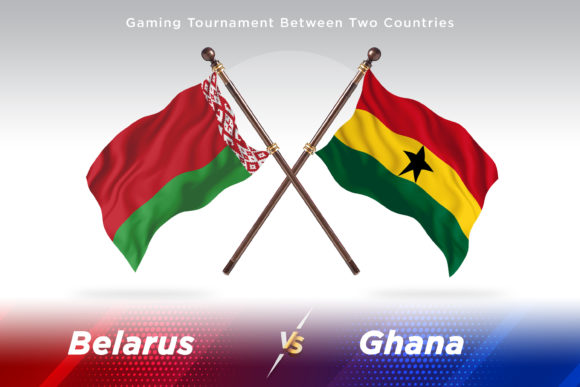
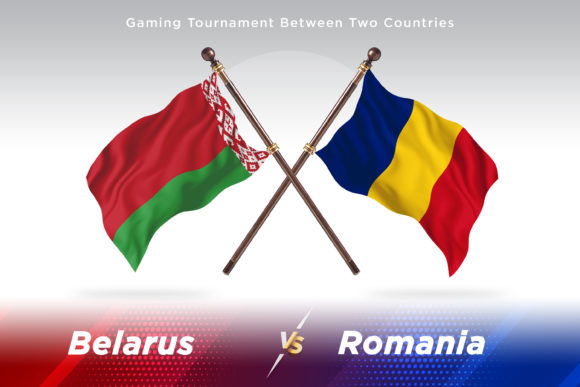
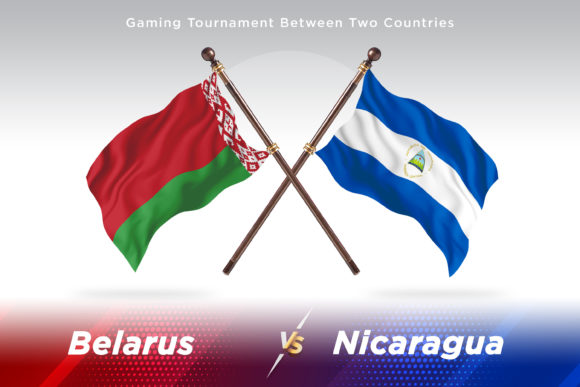
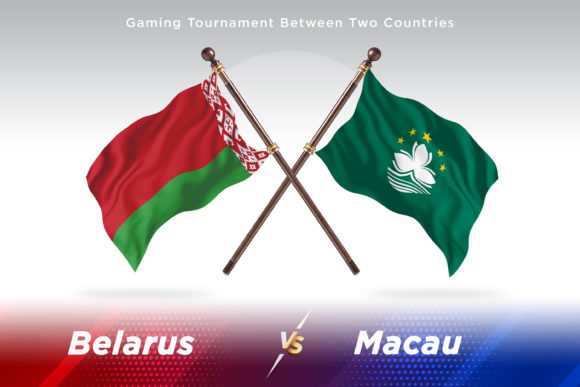
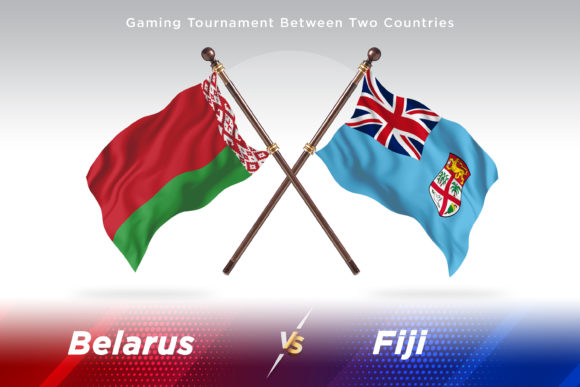
The specific focus here is on the visual representation of Belarus and Fiji. While these two nations may seem disparate in terms of geography and culture, their juxtaposition in design often serves specific comparative purposes—ranging from sports event graphics to international trade analysis. The core value of this asset lies in its technical execution: isolated layers, 3D waving effects, and smart object compatibility that allows for rapid customization without compromising quality.
Understanding the Asset Structure and Technical Specifications
Before diving into implementation, it is crucial to understand what makes this particular bundle distinct from standard clip art. Most free or low-cost flag images found online are static JPEGs with transparent backgrounds that lack depth or require manual editing to achieve a realistic "waving" effect. In contrast, the Belarus Versus Fiji Two Flags bundle offers a sophisticated PSD file (4500 x 3000 px) that respects the physics of fabric movement while maintaining strict isolation of elements.
The technical specifications are tailored for professionals who need precision:
- High Resolution: At 4500 x 3000 pixels, the image supports large-format printing and high-DPI screen displays without pixelation. This is essential for posters, banners, or high-quality web headers.
- Layered Organization: Each flag is isolated on its own layer. This means you can move, scale, rotate, or recolor the Belarus flag independently of the Fiji flag. There is no need to mask out overlapping sections manually.
- Smart Object Compatibility: The use of smart objects allows for non-destructive editing. If a client requests a slight change in hue or if you need to swap one flag for another country’s flag later, you can do so by simply replacing the smart object content, preserving all shadows, highlights, and wave patterns.
- Multiple Formats: Beyond the editable PSD, the inclusion of JPEG and PNG versions ensures immediate usability for quick tasks where opening Photoshop is unnecessary.
Integration into Creative and Professional Workflows
How does this asset fit into your daily operations? The versatility of the Belarus Versus Fiji Two Flags illustration allows it to be used at various stages of a project lifecycle. Here is how different professionals can leverage this resource effectively.
For Graphic Designers and UI/UX Specialists
When designing interfaces or marketing collateral that require national symbols, consistency is key. Using pre-made, well-organized flags saves hours of vector tracing or photo manipulation. The 3D waving position adds a dynamic element that static flat icons cannot provide. You can place these flags in headers, sidebars, or comparison charts. Because the layers are organized, you can easily adjust the opacity or blend modes to ensure the flags complement rather than clash with your background design. For instance, if you are creating a landing page for a travel agency comparing packages to Minsk and Suva, these flags serve as immediate visual anchors for users.
For Content Creators and Bloggers
In the realm of content marketing, visuals drive engagement. An article discussing "Emerging Markets: Eastern Europe vs. Pacific Islands" will benefit significantly from high-quality imagery. Instead of sourcing generic, low-res images that might look inconsistent, using this bundled asset ensures that both flags share the same lighting, shadow direction, and style. This visual cohesion enhances the perceived professionalism of your blog post or social media update. You can extract the PNG version for direct upload to CMS platforms like WordPress or Medium, ensuring fast load times while maintaining clarity.
For Educators and Presenters
Educational materials require clarity and accuracy. When teaching about global cultures, economies, or geography, accurate representations matter. The ability to isolate each flag allows educators to create custom diagrams. For example, you might highlight specific colors within the Belarusian flag to discuss historical symbolism, or point to the Union Jack element in the Fiji flag to discuss colonial history. The smart object feature allows teachers to create reusable templates where they can swap in other countries' flags for future lessons, making this a long-term investment in teaching resources.
Practical Implementation Tips for Maximum Efficiency
To get the most out of the Belarus Versus Fiji Two Flags concept, follow these practical steps during integration:
- Preparation: Before opening the PSD, define your canvas size and color palette. Knowing your end goal helps you utilize the 4500 x 3000 px resolution effectively. If you are designing for web, you can resize the document after editing, but starting with the full resolution ensures you have enough data for any crop or zoom.
- Leveraging Smart Objects: Do not flatten the layers prematurely. Keep the smart objects intact until the final export stage. This preserves your ability to make changes. If you decide halfway through a project that Fiji should be replaced by Japan, simply double-click the Fiji smart object thumbnail, replace the content with the new flag, and save. The 3D wave and shadows will automatically apply to the new flag.
- Lighting and Shadow Consistency: Observe the direction of the light source in the original image. When placing these flags into your own designs, ensure that any additional elements (like text boxes or icons) respect similar lighting cues. This creates a unified visual narrative. The isolated nature of the layers makes it easy to adjust the drop shadow settings if needed to match your specific background.
- Color Management: Ensure your working space uses the correct color profile (usually sRGB for web, CMYK for print). The official colors of the Belarus and Fiji flags must be accurate. The provided PSD likely adheres to standard color codes, but verifying this against official government specifications is a good quality control step for critical projects.
Expanding Your Resource Library
While the Belarus Versus Fiji Two Flags bundle is excellent for specific comparative needs, it is part of a broader ecosystem of flag assets. Many creators offer extensive libraries containing flags from all over the world. If your workflow requires frequent comparisons between other nations, consider establishing a relationship with providers who offer comprehensive bundles. The prompt mentions that if you need other flags not present in the bundle, you can ask. This flexibility is a significant advantage for agencies or publishers who deal with diverse international topics.
Building a library of such assets reduces friction in your creative process. Instead of searching for individual images every time a new topic arises, you have a trusted source for high-quality, technically sound visuals. This consistency builds brand recognition and trust with your audience, who subconsciously notice the difference between amateur and professional visual assets.
Conclusion: Value Through Precision
The Belarus Versus Fiji Two Flags concept illustration is more than just a decorative element; it is a tool for efficient, high-quality communication. By providing isolated, editable, and visually striking representations of these two nations, it supports a wide range of professional activities—from marketing and education to journalism and design. Understanding how to integrate such assets into your workflow—by leveraging smart objects, respecting layer organization, and maintaining color accuracy—ensures that your final output is polished, credible, and impactful. In a world saturated with visual noise, precision and professionalism stand out, and having the right tools is the first step toward achieving that standard.