Barbados Versus Bahamas Two Flags: A Clear Comparison for Designers and Educators
When working with country flags in design projects, educational materials, or branding efforts, it's essential to understand the differences between key symbols. One such comparison that often arises is Barbados versus Bahamas two flags. These flags represent two distinct Caribbean nations—each with its own history, culture, and visual identity. For professionals who rely on accurate and high-quality flag illustrations, knowing how they differ and what to look for when using them can prevent costly errors and enhance the clarity of your work.
Understanding the Barbados and Bahamas National Flags
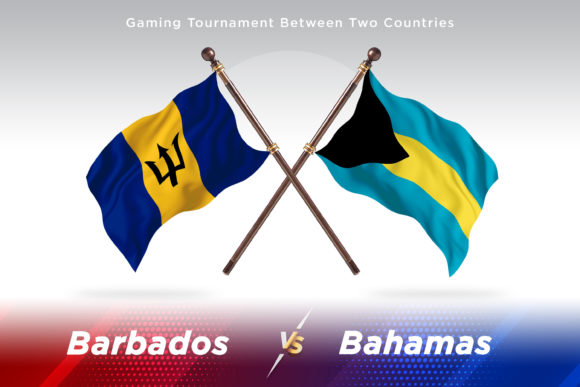
The flag of Barbados, adopted in 1966 upon independence from Britain, features a diagonal cross (saltire) dividing the field into four sections. The upper triangle is black, symbolizing strength and determination; the lower triangle is gold, representing prosperity and success. The saltire itself is gold with a dark blue border, standing for the sky and sea. In the center lies the national coat of arms, which adds depth and meaning to the flag’s symbolism.
In contrast, the flag of the Bahamas, introduced in 1973 after gaining independence from the UK, showcases three horizontal stripes: aquamarine at the top, gold in the middle, and black at the bottom. These colors reflect the ocean, sand, and people of the islands. At the hoist end is a black triangle with a red stripe running diagonally through it, reminiscent of the Bahamian pine tree and the nation's resilience.
Why This Comparison Matters
For designers, educators, marketers, and content creators, accurately differentiating between these two flags is crucial. They may appear similar at first glance due to shared color schemes and regional proximity, but subtle design elements distinguish them. Misidentifying or misusing these flags can lead to confusion, especially in contexts like international presentations, travel guides, or cultural awareness campaigns.
Moreover, many professionals need these flags as part of larger assets such as infographics, website headers, social media posts, or print collateral. High-resolution versions of both flags are necessary for maintaining professional quality across various platforms and mediums.
Common Mistakes When Using Barbados Versus Bahamas Two Flags
- Mixing up the designs: Confusing the diagonal cross in the Barbados flag with the triangular shape in the Bahamian flag is a common error. Both flags have triangles, but their placement and symbolism vary significantly.
- Using outdated or incorrect versions: Some sources provide historical or unofficial variations of the flags. It's vital to use the current official designs to avoid misinformation or poor brand perception.
- Poor resolution for digital or print use: Low-quality images of the flags can pixelate when scaled up or lose detail when printed. This issue affects everything from banners to business cards.
- Lack of layered formats for editing: Many stock images offer flat JPEGs only. Without layers, adjusting colors, sizes, or positions becomes difficult, especially if you're integrating the flags into a complex layout.
How These Errors Impact Your Work
Misrepresenting the Barbados versus Bahamas two flags can affect several aspects of your project:
- Usability: Incorrect flags might confuse users or readers unfamiliar with the region, undermining the purpose of your design or educational material.
- Efficiency: If you download a flat image without smart objects or layers, you may spend extra time trying to edit it manually, slowing down your workflow.
- Cost: Re-doing a project due to an incorrectly used flag could result in wasted time, money, and resources—especially in large-scale marketing or publishing efforts.
- Communication: Inaccurate visuals can damage credibility and reduce trust, particularly in professional or academic settings where precision is expected.
Practical Tips for Choosing and Using the Correct Flags
To ensure accuracy and ease of use, consider the following best practices when working with the Barbados versus Bahamas two flags:
- Verify authenticity: Always confirm that the flag designs you’re using are the most recent and officially recognized by each country’s government.
- Use layered file formats: When purchasing or downloading flag illustrations, prioritize formats like PSD that allow for easy customization. Smart objects within these files let you scale and modify elements without compromising quality.
- Match the intended use: Choose between JPEG or PNG based on your project needs. JPEG is great for web use, while PNG offers transparency options ideal for overlays or animations.
- Check resolution: For print or large displays, go for high-resolution files (like 4500 x 3000 px) to maintain sharpness and clarity.
- Consider licensing: Ensure that the source you’re using provides proper usage rights, especially if the flags will be used commercially or publicly.
Realistic Examples and Better Approaches
Imagine you're creating a travel brochure that highlights destinations in the Caribbean. You include the flags of Barbados and the Bahamas to add a sense of place and national identity. However, if the flags are low-res or inaccurately colored, the final product may look unprofessional and fail to engage potential travelers.
A better approach would be to obtain a professionally designed illustration bundle that includes both flags in high resolution, with editable smart objects and well-organized layers. This allows you to adjust the flags’ size, position, and background seamlessly, ensuring they fit perfectly into your layout without distortion or loss of detail.
Similarly, if you're an educator preparing a geography lesson, having the correct flags clearly labeled and separated into individual layers makes it easier to create interactive or printable materials. You can highlight one flag at a time, zoom in for details, or even animate the flags waving subtly to catch students' attention.
What to Check Before Making a Decision
Before selecting or purchasing any flag illustration bundle, including the Barbados versus Bahamas two flags, ask yourself the following questions:
- Are the flags isolated on their own layers?
- Can I easily edit the background or other elements without affecting the flag?
- Do the flags come in multiple resolutions (e.g., 4500 x 3000 px)?
- Are there smart object layers available for scaling and positioning?
- Is there a clear license included that covers my intended use?
- If more flags are needed later, does the provider offer additional assets or support?
These checks help ensure that you’re getting a versatile and reliable asset that aligns with your creative goals and technical requirements.
Final Thoughts on Flag Illustrations
While the Barbados versus Bahamas two flags concept may seem straightforward, it’s easy to overlook important distinctions or choose suboptimal resources. Whether you're designing a logo, building a presentation, or teaching about Caribbean nations, investing in high-quality, accurate flag illustrations can make a big difference in the outcome of your work.
By understanding the unique characteristics of each flag and sourcing them from a reputable provider that includes features like smart objects, layered files, and high-resolution outputs, you set yourself up for success. Don’t let small oversights impact the professionalism and effectiveness of your design or educational content—take the time to get it right the first time around.