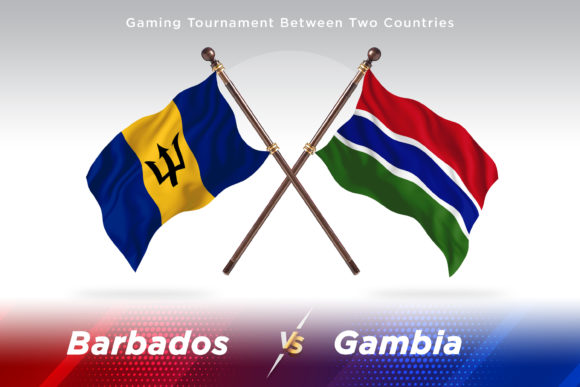
Barbados Versus Gambia Two Flags: A Dynamic Design Tool
Practical Applications Across Industries
Marketing and Branding: Companies targeting audiences in Barbados or Gambia can use this illustration to reinforce their commitment to local communities. For example, a travel agency promoting dual-nation tours might feature the flags in their campaign banners to emphasize the journey between cultures.
Education: Teachers preparing materials on Caribbean and African countries can benefit from the visual contrast provided by the **Barbados versus Gambia Two Flags** design. The illustration makes abstract concepts tangible, helping students grasp geographical, political, and cultural distinctions more easily.
Graphic Design: Designers working on event posters, editorial layouts, or website headers will appreciate the clean lines and vibrant colors of this illustration. It can be used as a background element, a header graphic, or even part of a larger infographic that compares data between the two countries.
Content Creation: Freelancers and bloggers often need eye-catching visuals to accompany their articles. By integrating the **Barbados versus Gambia Two Flags**, they can immediately add context and visual appeal to topics ranging from politics to tourism and beyond.
Business Presentations: In corporate settings, especially those dealing with international partnerships, showing the flags side-by-side can help establish a sense of shared purpose or highlight market diversity. This visual cue can make a strong impression during pitches, reports, or strategy sessions.
Real-World Use Cases
- Travel Brochures: A travel company offering packages across the Caribbean and West Africa can use the flags to introduce itineraries that include stops in both regions.
- Political Campaigns: Candidates or organizations running cross-border initiatives can leverage the illustration to represent collaboration and mutual goals.
- Sports Events: When organizing matches or competitions between teams from Barbados and Gambia, displaying the flags enhances the thematic identity and fan engagement.
- Cultural Exhibits: Museums or community centers showcasing Caribbean and African art, history, or traditions can integrate the flags into displays for added visual storytelling.
Recommendations for Effective Use
- Use in Context: Ensure the flags serve a clear purpose within your design. Avoid using them randomly; instead, align their placement with the theme or message of your project.
- Maintain Proportionality: Keep the flags balanced in size and positioning unless you're intentionally highlighting one over the other for symbolic reasons.
- Pair with Relevant Content: Combine the flags with informative text, such as facts about each country, to create a more meaningful and educational experience for the viewer.
- Test Across Platforms: Before finalizing any design, check how the flags look on different devices and screen sizes to ensure optimal visibility and clarity.
Considerations When Selecting and Using the Illustration
Accuracy: Always verify that the flags are up-to-date and reflect the correct symbols and colors. Even small inaccuracies can undermine the professionalism of your work.
Design Harmony: Think about how the flags will interact with the rest of your layout. Do they complement the color scheme? Are they placed in a way that guides the viewer’s eye naturally?
Legal Usage: If you plan to use the illustration commercially, confirm that you have the appropriate licensing rights. Unauthorized use can lead to legal complications, especially in international markets.
Technical Requirements: Make sure your software supports the file formats included (PSD, JPEG, PNG). While most modern design tools do, some older systems may require conversion before editing.