Barbados Versus San Marino: A Creative Concept Illustration Featuring Two Flags
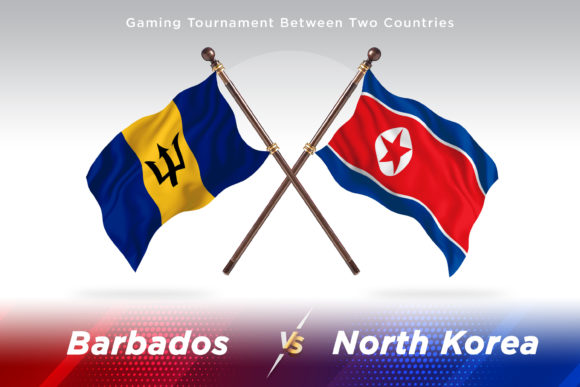
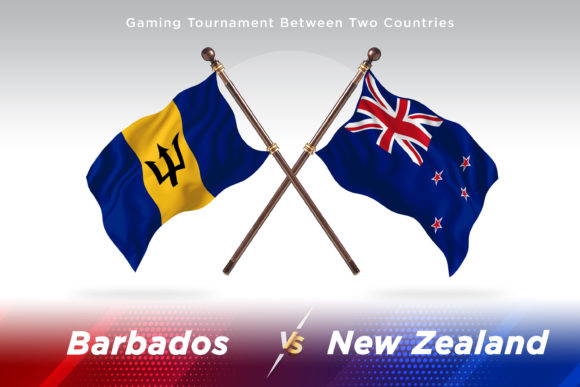
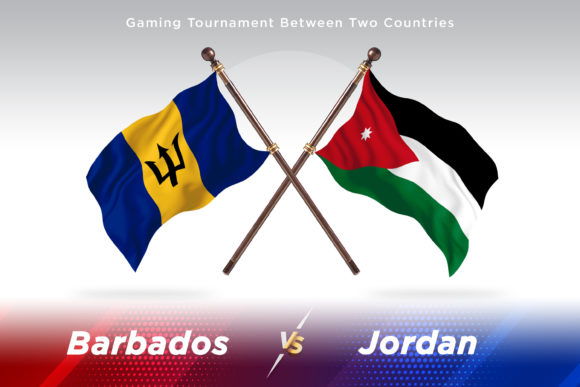
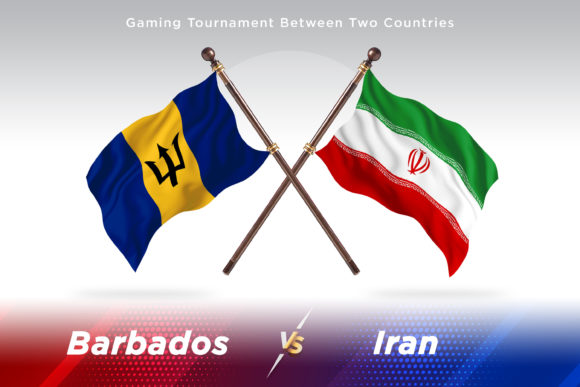
In the world of design and illustration, visual elements such as flags play a crucial role in conveying identity, culture, and symbolism. One intriguing concept that has recently gained attention is the "Barbados versus San Marino" theme, particularly when illustrated using two country flags in a dynamic format. This article explores how this creative idea can be represented visually through an isolated 3D waving position concept, featuring official flags from Barbados and San Marino. We’ll also discuss its relevance in modern contexts like graphic design, marketing, education, and more.
Understanding the Concept: "Barbados versus San Marino"
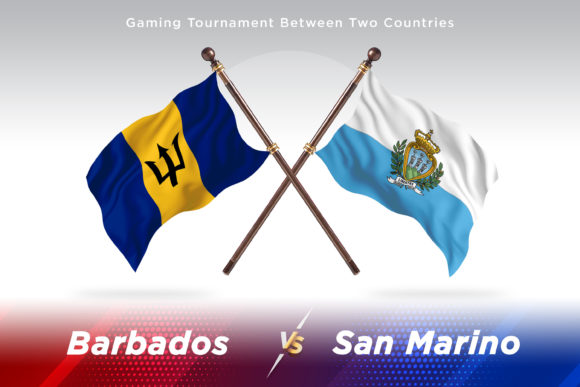
The phrase “Barbados versus San Marino” may seem unusual at first glance since these two countries are geographically and culturally distinct. However, in the realm of graphic design, it represents a conceptual illustration where the flags of these nations are placed in a symbolic opposition or comparison scenario. This could be for storytelling, branding, or even educational purposes, depending on the designer’s intent.
Barbados, located in the Caribbean, is known for its vibrant culture, rich history, and the iconic black and gold flag representing freedom and sovereignty. On the other hand, San Marino, a small microstate in Europe, boasts a white and azure flag symbolizing peace and unity. When designers juxtapose these flags, they often aim to highlight contrasts—whether in geography, politics, economy, or aesthetics.
What Makes This Concept Unique?
- Isolated Background: The flags are presented against a clean, uncluttered background, allowing each flag to stand out clearly and focus viewer attention solely on the subject matter.
- 3D Waving Position: The flags are animated with a 3D effect, simulating a natural wave as if they were fluttering in the wind. This adds realism and dynamism to the design.
- Layered Format: Each flag is placed on its own layer, making it easy to edit, reposition, or customize without affecting the other elements of the illustration.
- Smart Objects Integration: Designers can modify the flags easily by editing smart objects within Adobe Photoshop, ensuring flexibility and scalability.
Design Features and Practical Use Cases
A well-crafted illustration of “Barbados versus San Marino” with two flags offers several practical advantages, especially for those involved in digital content creation. Here’s what you can expect from such a design package:
- High-Resolution Files: You get a PSD file (4500 x 3000 px) along with JPEG and PNG formats, suitable for both print and web use.
- Well-Organized Layers: The layers are labeled and grouped logically, which streamlines the editing process and helps maintain the integrity of the original design.
- Customization Options: Thanks to smart object support, users can swap out flags, change colors, or adjust positioning effortlessly—even if they’re not experts in Photoshop.
- Official Country Flags: The flags used are authentic and officially recognized by their respective nations, adding credibility and professionalism to the design.
This kind of resource is invaluable for designers working on projects that involve international themes, cultural comparisons, or geopolitical topics. It allows them to create compelling visuals quickly while maintaining accuracy and artistic quality.
How Can You Use This Design?
Here are some common applications for a "Barbados versus San Marino" two-flag concept illustration:
- Marketing Campaigns: Businesses targeting global audiences might use this design to represent diversity, inclusivity, or cross-cultural collaboration.
- Education and Presentations: Teachers and students can incorporate the illustration into slides or posters discussing geography, history, or international relations.
- Graphic Design Projects: From website headers to social media posts, this visual concept can serve as a striking centerpiece.
- Editorial Content: News outlets or blogs covering international events can use the illustration to add context and visual interest to articles about these two nations.
Why Flags Matter in Modern Visual Communication
Flags are more than just symbols; they are powerful tools of communication. In today’s interconnected world, understanding and accurately representing flags is essential for anyone involved in visual storytelling, whether professionally or personally.
When designing something like a "Barbados versus San Marino" illustration, it's important to ensure that the flags are accurate and properly proportioned. Misrepresentation can lead to confusion or even unintended offense. That’s why using official country flags from all over the world is a key feature of such design bundles. They provide a reliable reference point and help maintain the authenticity of the project.
Flag Design Tips for Beginners
If you're new to incorporating flags into your designs, here are a few tips to keep in mind:
- Always use high-resolution images to avoid pixelation.
- Respect the correct proportions and color codes of each flag.
- Consider the background and lighting to make the flags look realistic and professional.
- Use vector files when possible for crisp, scalable results.
- Ensure cultural sensitivity when using flags in any form of content.
By following these guidelines, you can create visually appealing and respectful illustrations that effectively communicate the intended message.
Expanding the Concept: Adding More Flags
While the initial design features only Barbados and San Marino flags, the beauty of this concept lies in its adaptability. If your project requires the inclusion of additional flags, you can request them separately. Whether you need to showcase a regional event, a multi-national corporation, or a travel itinerary, having access to a wide range of official country flags makes the design process much smoother.
For example, if you're creating a promotional poster for a global summit that includes participants from across the Americas and Europe, you could expand the illustration to include flags from Canada, Brazil, Germany, and France alongside the existing ones. This approach maintains the core structure of the design while broadening its scope and relevance.
Benefits of a Customizable Flag Bundle
- Flexibility to tailor the illustration to specific needs.
- Ability to compare or contrast multiple countries simultaneously.
- Support for multilingual or multicultural projects.
- Opportunity to enhance visual storytelling with real-world references.
Real-World Applications and Relevance
Visual illustrations like the “Barbados versus San Marino” concept have found their way into various industries. Let’s explore how they fit into different areas of modern life:
Business and Branding
Companies with international operations often use flags in their branding to signify presence or partnerships. An illustration showing two flags in a waving position could be used in presentations, reports, or advertisements to highlight global reach or cultural diversity.
Education and Research
Educators and researchers frequently use flags to teach geography, history, or political science. By isolating each flag and providing layered files, such illustrations become valuable teaching aids that can be adapted to suit various learning objectives.
Technology and Web Design
In web design, flags are commonly used to indicate language preferences, location settings, or to celebrate national holidays. The 3D waving effect adds an interactive feel, making the user experience more engaging and memorable.
Creativity and Artistic Expression
Artists and illustrators love using flags to express ideas related to identity, conflict, unity, or change. The ability to manipulate each flag individually gives them the freedom to experiment with composition, animation, and symbolism.
Common Misunderstandings About Flag Illustrations
Despite their widespread use, there are some misconceptions about how flags should be portrayed in design work. Here are a few to be aware of:
- Misconception 1: Using low-quality or unofficial flag images won’t affect the outcome.
Reality: Low-resolution flags can appear blurry or unprofessional, especially in print or large-scale displays. Always use high-quality, official sources.
- Misconception 2: Any flag can be freely altered without consequence.
Reality: Some countries have strict laws regarding the modification of their national flag. Always verify legal guidelines before customizing.
- Misconception 3: Flags are only useful in static images.
Reality: With the right tools, flags can be animated, layered, and integrated into interactive media for maximum impact.
Conclusion: Elevating Your Designs with Flag Illustrations
The “Barbados versus San Marino” two-flag illustration is a versatile and meaningful design element that bridges the gap between creativity and cultural representation. Whether you're a seasoned designer or just starting out, having access to high-quality, officially sourced flags in a structured and editable format can significantly enhance your workflow and output.
As we’ve explored, such illustrations serve multiple purposes—from business branding to educational materials. Their value lies not only in their visual appeal but also in their ability to convey complex messages in a simple, intuitive manner. And with the option to add more flags from around the world, the possibilities for customization and expansion are endless.
If you find yourself needing to incorporate other flags not included in the bundle, remember that many design platforms offer the option to request additions. This ensures that your project remains relevant and inclusive, regardless of its scope or audience.
So next time you're working on a project involving national identity or global themes, consider using a concept like “Barbados versus San Marino.” It’s not just about the flags themselves—it’s about telling a story, making a statement, and connecting with people from all walks of life through shared visual language.