Belarus Versus Bulgaria Two Flags: A Comprehensive Evaluation of Design Assets
In the realm of graphic design, sports broadcasting, and international event visualization, the need for high-quality, accurate, and versatile flag representations is constant. One specific asset that has garnered attention in digital marketplaces is the Belarus Versus Bulgaria Two Flags concept illustration. This resource is not merely a static image but a comprehensive design package intended for professionals who require precision, scalability, and ease of customization. Understanding what this asset entails, its technical specifications, and how it compares to other visual resources is essential for designers, marketers, and content creators looking to enhance their projects.
The core appeal of the Belarus versus Bulgaria two flags versus concept lies in its isolated presentation and professional formatting. Unlike generic stock photos that may suffer from compression artifacts or lack editability, this asset offers a structured approach to visual storytelling. It caters to audiences aged 20–50 who are often evaluating options for tournaments, cultural comparisons, or educational materials where clarity and aesthetic quality are paramount. By examining the features, benefits, and limitations of this specific bundle, users can determine if it aligns with their project requirements.
Understanding the Asset: What Is Belarus Versus Bulgaria Two Flags?
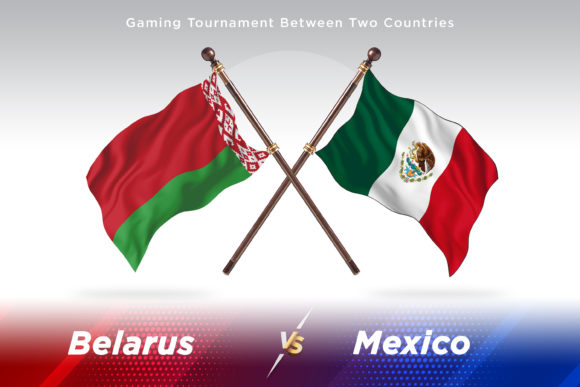
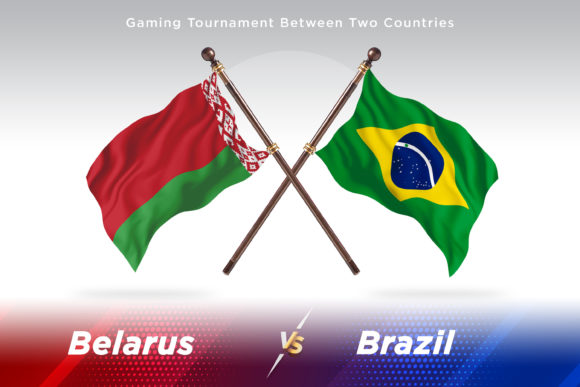
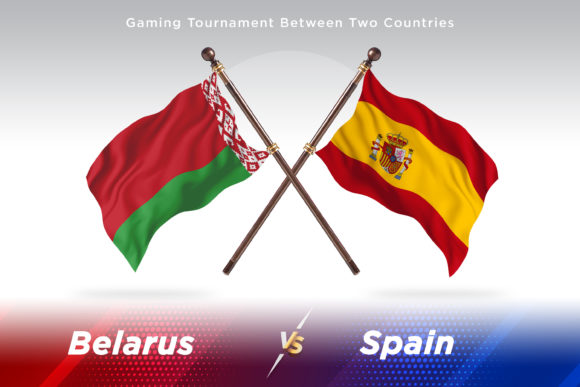
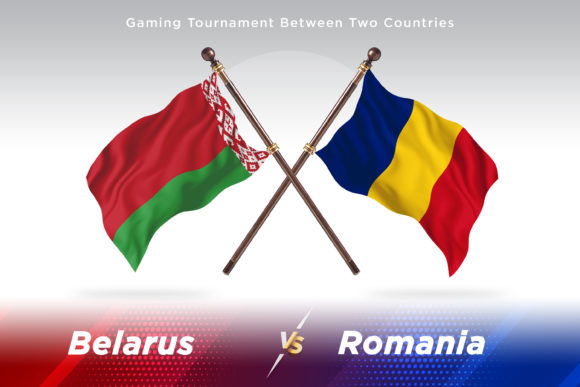
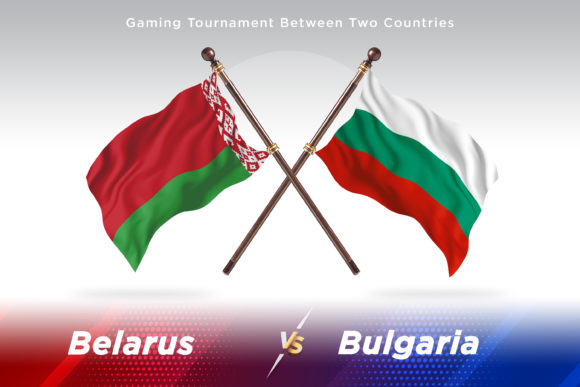
The Belarus Versus Bulgaria Two Flags concept illustration is designed to depict a side-by-side comparison of the national flags of Belarus and Bulgaria. The visual style typically employs a 3D waving position, which adds depth and dynamism to the otherwise flat symbols of nationhood. This "versus" format is particularly popular in contexts involving head-to-head competitions, such as football matches, diplomatic discussions, or comparative geopolitical analyses.
What distinguishes this asset from standard clipart is the level of isolation and layer organization. Each flag is isolated on its own layer, allowing designers to manipulate them independently. This means you can adjust the size, rotation, shadow, or blending mode of the Belarusian flag without affecting the Bulgarian flag, and vice versa. The proper naming of layers further streamlines the workflow, reducing the time spent hunting for specific elements within complex file structures. For professionals working under tight deadlines, this organizational efficiency is a significant advantage.
Technical Specifications and File Formats
A critical factor in choosing any digital asset is its compatibility and resolution. The Belarus versus Bulgaria two flags bundle provides three distinct formats, each serving a different purpose in the design pipeline:
- PSD (Photoshop Document): At 4500 x 3000 pixels, this high-resolution source file allows for extensive editing. The use of smart objects ensures that you can replace or modify elements non-destructively. This is ideal for print media, large-scale banners, or detailed UI designs where pixel-perfect accuracy is required.
- JPEG: This compressed format is suitable for web usage, social media posts, and quick previews. While it lacks the editability of the PSD file, it offers universal compatibility across various platforms and devices.
- PNG: With support for transparency, the PNG version is perfect for overlaying the flags onto existing backgrounds or integrating them into complex layouts without unwanted white boxes or borders.
The inclusion of multiple formats ensures that the asset is versatile. Whether you are a beginner needing a quick solution or an expert requiring deep customization, the Belarus versus Bulgaria two flags resource covers the spectrum of needs.
Comparative Analysis: How Does It Stack Up?
When evaluating design assets, it is helpful to compare them against similar offerings in the market. Many flag bundles available online vary significantly in quality, realism, and usability. Here is how the Belarus versus Bulgaria two flags concept stands out in key areas.
Realism and Visual Depth
Many free or low-cost flag images are flat vector graphics or low-resolution raster images. In contrast, the 3D waving position feature of this asset mimics the natural movement of fabric in the wind. This photorealistic touch enhances the perceived professionalism of any design. For instance, in a sports news article or a tournament bracket, realistic flags create a more immersive experience for the viewer compared to static, cartoonish icons. However, this realism comes with a trade-off: the complexity of the 3D rendering requires more processing power during editing and may result in larger file sizes compared to simple SVG vectors.
Customization Capabilities
A common limitation of pre-made illustrations is the inability to alter details. If a designer wants to change the background color, add a team crest, or adjust the lighting, they often have to start from scratch. The Belarus versus Bulgaria two flags bundle addresses this through well-organized layers and smart objects. Smart objects allow for easy swapping of textures or colors while preserving the 3D shading and folds. This level of control is comparable to premium enterprise-level design templates, making it a cost-effective alternative for small businesses and independent creators.
Scope and Scalability
While this specific bundle focuses on Belarus and Bulgaria, the creator notes that other flags are available upon request. This suggests a modular approach to their product line. When comparing this to all-in-one global flag packs, the benefit here is specificity. A general pack might contain 200 flags but with inconsistent styling or lower individual resolution. A dedicated pair like Belarus versus Bulgaria ensures that both flags share the exact same lighting, angle, and fabric simulation, creating a cohesive visual pair. This consistency is crucial for professional branding where mismatched elements can look unpolished.
Best-Fit Situations and Use Cases
Determining when to use the Belarus versus Bulgaria two flags asset requires understanding the context of your project. It is not a one-size-fits-all solution, but rather a specialized tool for specific scenarios.
Sports and Event Broadcasting
The most obvious application is in sports graphics. Whether it is a UEFA Nations League match, a friendly game, or an esports tournament featuring teams from these nations, the dynamic waving flags add excitement to broadcast overlays. The high resolution (4500 x 3000 px) ensures that the flags remain crisp even when scaled up on large stadium screens or high-definition monitors.
Educational and Editorial Content
For blogs, news sites, and educational platforms discussing bilateral relations, trade agreements, or cultural exchanges between Belarus and Bulgaria, this asset provides a neutral yet visually engaging focal point. The isolated background allows editors to place the flags seamlessly into article headers or infographics without worrying about background clashes. The clean presentation supports a serious tone, making it suitable for analytical pieces rather than purely entertainment-focused content.
Marketing and Promotional Materials
Businesses operating in Eastern Europe might use this imagery in localized marketing campaigns. For example, a logistics company offering services between Minsk and Sofia could use the flags to visually represent their route. The professional quality of the 3D rendering lends credibility to the brand, suggesting attention to detail and high standards.
Tradeoffs and Limitations to Consider
No asset is perfect, and understanding the limitations helps in making an informed decision. One potential drawback of the 3D waving style is its rigidity in terms of pose. If your design requires the flags to be folded, held by hands, or arranged in a circular pattern, this specific asset may not fit. It is optimized for a side-by-side vertical or horizontal display. Additionally, the reliance on Photoshop (or compatible software) for full functionality means that users unfamiliar with layer management and smart objects may find the initial setup challenging. While the JPEG and PNG versions mitigate this, unlocking the full potential of the Belarus versus Bulgaria two flags concept requires some technical proficiency.
Furthermore, the availability of other flags being "upon request" implies that there is no single mega-bundle containing every possible combination. Users looking for a comprehensive library covering all EU members or FIFA participants might need to purchase multiple separate pairs or negotiate custom packages. This can increase the total cost of ownership if the project scope expands beyond just the Belarus-Bulgaria pairing.
Decision Factors: Is This Right for You?
Choosing the right design asset involves balancing cost, quality, and convenience. If you are working on a one-off project that requires only a static image for a blog post, a free JPEG from a public domain site might suffice. However, if you value consistency, editability, and a premium look, the Belarus versus Bulgaria two flags bundle offers superior value.
Consider the following checklist before purchasing:
- Do you need to edit the design? If yes, the PSD file with smart objects is essential.
- Is high resolution required? For print or large displays, the 4500 x 3000 px dimension is a strong selling point.
- Do you need consistency between the two flags? This bundle ensures identical lighting and style, unlike mixing and matching from different sources.
- Are you planning to expand to other countries? Check if the seller offers bulk discounts or a broader catalog to avoid fragmented design aesthetics.
In conclusion, the Belarus versus Bulgaria two flags concept illustration represents a thoughtful blend of aesthetic appeal and functional utility. It serves as a robust tool for professionals seeking to elevate their visual communications with accurate, dynamic, and customizable national symbols. By carefully weighing its features against your specific project needs, you can ensure that this asset contributes effectively to your design goals.