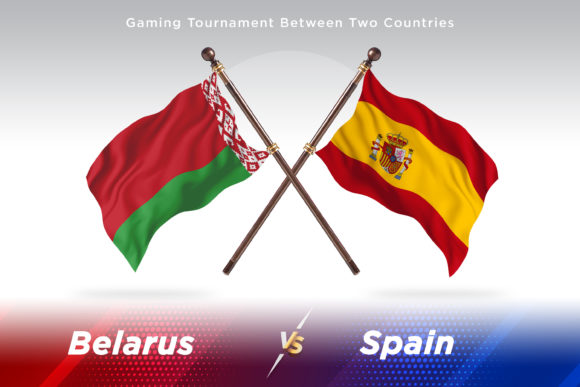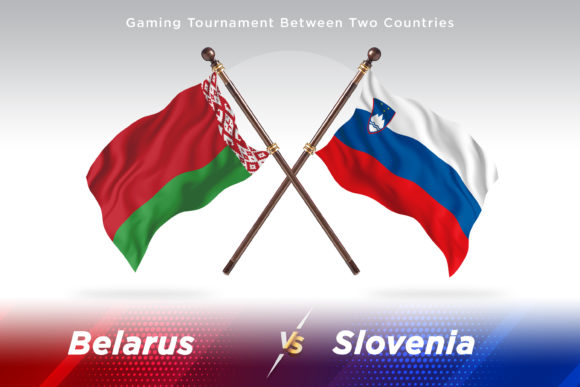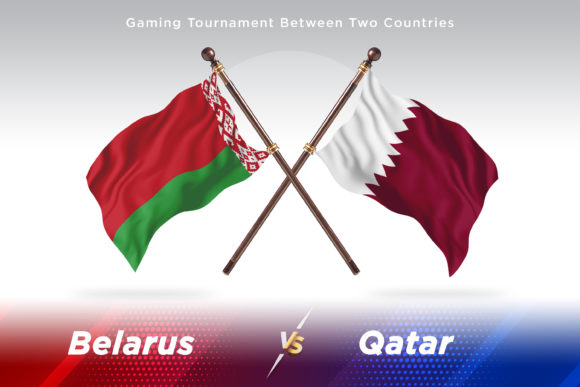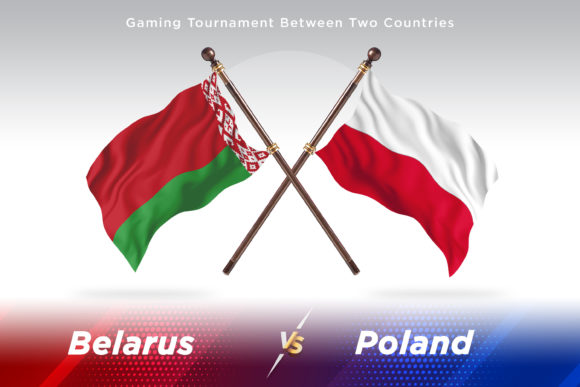
Belarus Versus Eritrea Two Flags
In the world of digital design, sports broadcasting, and international relations, visual identity is paramount. One specific asset that frequently appears in these contexts is the Belarus Versus Eritrea Two Flags concept illustration. This isn't just a simple side-by-side image; it is a professionally crafted graphic resource designed to represent the competitive or comparative relationship between two distinct nations. For designers, marketers, and content creators, understanding the nuances of this asset—and how it fits into broader workflows—is essential for producing high-quality, culturally respectful, and visually striking content.
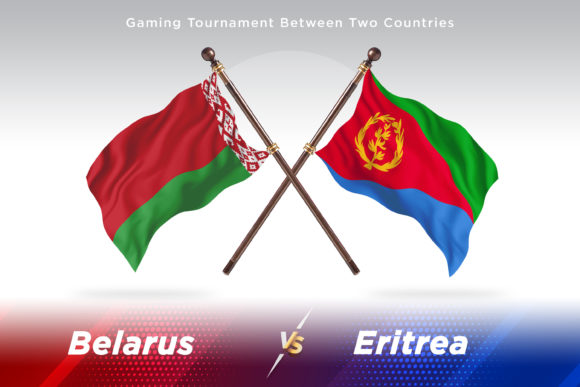
The core of this asset is an isolated background illustration featuring the official country flags of Belarus and Eritrea. Rendered in a 3D waving position, the flags provide a dynamic sense of movement and realism that static images often lack. But beyond the aesthetic appeal, the technical specifications of this file make it a versatile tool for a wide array of professional applications. Whether you are preparing for a hypothetical sports match analysis, creating educational materials about global cultures, or simply looking to add a touch of international flair to a blog post, knowing how to leverage this specific graphic can elevate your project significantly.
What Is the Belarus Versus Eritrea Two Flags Illustration?
At its simplest level, this asset is a digital composition that places the national flag of Belarus next to the national flag of Eritrea. However, describing it merely as "two flags" undersells its utility. The illustration is built with precision, ensuring that each flag is isolated on its own layer. This technical detail is crucial for flexibility. It means that a designer can manipulate one flag without affecting the other, adjust colors, resize elements independently, or even remove one flag entirely if the context changes.
The format specifications further enhance its value. The bundle includes a PSD file measuring 4500 x 3000 pixels, which offers ample resolution for both web use and large-format printing. Alongside the editable PSD, users receive JPEG and PNG versions for immediate deployment. The inclusion of smart objects in the Photoshop file allows for non-destructive editing. This means you can swap out textures, adjust lighting effects, or integrate other design elements without degrading the original quality of the flags. Each flag is labeled with its proper name, ensuring clarity and ease of navigation within complex layer structures.
Why Different Audiences Care About This Asset
The relevance of the Belarus Versus Eritrea Two Flags illustration varies depending on who is using it. For a sports journalist, this graphic might represent the excitement of a potential matchup in a global tournament. For an educator, it serves as a visual aid to discuss geopolitical differences, historical contexts, or cultural symbols associated with Eastern Europe and the Horn of Africa. For a graphic designer, it is a starting point—a template that can be customized to fit a brand’s color scheme or layout requirements.
Consider the marketer working on a campaign related to international trade or diplomacy. They might need to highlight the connection between two markets. Using a high-quality, isolated flag illustration ensures that the visual representation is accurate and respectful, avoiding the pitfalls of low-resolution or incorrectly colored stock photos. Similarly, a blogger writing about travel destinations might use this image to introduce a comparative article, drawing readers in with a visually appealing header that promises a cross-cultural exploration.
Evaluating Use Cases by Audience Type
To truly understand the value of this asset, it helps to look at how different user groups interact with it. Beginners in graphic design might appreciate the well-organized layers. Navigating a complex PSD file can be intimidating, but having clearly labeled layers for each flag reduces the learning curve. They can experiment with opacity, blending modes, and filters, learning how 3D effects are achieved without needing to model the flags from scratch.
Experienced professionals, on the other hand, will focus on efficiency and customization. The smart object feature is likely their primary interest. If a client requests a version of the graphic with a specific texture overlay or a change in the waving pattern, the professional can apply these changes quickly via the smart object interface. This saves hours of manual work and ensures consistency across multiple deliverables. Furthermore, the high resolution (4500 x 3000 px) allows these professionals to incorporate the flags into larger composite images without worrying about pixelation or loss of detail.
For educators and publishers, the accuracy and isolation of the flags are key. When creating textbooks or online courses, it is vital to present national symbols correctly. The fact that each flag is on its own layer means that text boxes, arrows, or annotations can be added precisely without overlapping the flag imagery awkwardly. This separation allows for clean, readable layouts that enhance the educational content rather than distracting from it.
Priorities: Quality, Flexibility, and Long-Term Use
When evaluating any digital asset, several priorities come into play. Quality is non-negotiable. The 3D rendering of the flags must look realistic, with appropriate shadows, highlights, and fabric simulation. A poorly rendered flag can undermine the credibility of the content it accompanies. The Belarus Versus Eritrea Two Flags illustration addresses this by providing a polished, professional finish right out of the box.
Flexibility is another critical factor. In the digital age, content needs to adapt to various platforms—from social media thumbnails to full-width website banners. The availability of multiple formats (PSD, JPEG, PNG) ensures that users have options regardless of their technical constraints. The PSD provides maximum control for those who need it, while the raster formats offer quick solutions for those who do not have access to Adobe Creative Cloud.
Long-term usefulness is also a consideration. National flags do not change frequently, making this asset a durable investment. Unlike seasonal graphics that may become obsolete after a few months, a flag illustration remains relevant for years. This makes it a cost-effective choice for businesses and individuals who want to build a library of reliable visual resources. Additionally, the offer to create other flags not present in the bundle adds a layer of future-proofing. If your needs expand to include comparisons with other nations, you know where to turn for consistent quality.
Practical Examples for Implementation
Imagine a freelance graphic designer tasked with creating a series of infographics for a news outlet. The story involves a comparison of economic indicators between Belarus and Eritrea. By using the Belarus Versus Eritrea Two Flags illustration, the designer can quickly generate eye-catching headers for each section. The isolated layers allow them to place data charts directly adjacent to the flags without cluttering the visual field. The result is a clean, professional infographic that communicates complex information effectively.
Or consider a small business owner launching an e-commerce site that sells international goods. They might want to feature a "Global Partners" section. Using high-quality flag illustrations adds a touch of authenticity and professionalism to the site. The ability to edit the flags via smart objects means they can align the colors with their brand palette, creating a cohesive visual identity that resonates with customers.
For hobbyists and bloggers, the asset offers a way to enhance personal projects without requiring advanced skills. Even if you are not a professional designer, the pre-made 3D effect and organized layers mean you can achieve a polished look with minimal effort. You can drag and drop your own text, adjust the size, and export the final image in seconds. This accessibility democratizes high-quality design, allowing more people to produce content that looks professional.
Making the Right Choice for Your Project
Ultimately, deciding whether the Belarus Versus Eritrea Two Flags illustration is right for you depends on your specific goals. If you need a quick, static image for a low-stakes presentation, a free stock photo might suffice. However, if you require customization, high resolution, or the ability to integrate the flags into a larger design workflow, this asset offers significant advantages. The combination of technical precision, artistic quality, and user-friendly features makes it a strong candidate for anyone serious about visual communication.
By considering your audience, your skill level, and your long-term needs, you can determine if this asset aligns with your project requirements. Whether you are a seasoned pro looking for efficient tools or a beginner eager to learn, the Belarus Versus Eritrea Two Flags illustration provides a solid foundation for creating impactful, respectful, and visually engaging content. It represents more than just two countries; it represents the potential for clear, effective, and beautiful design.