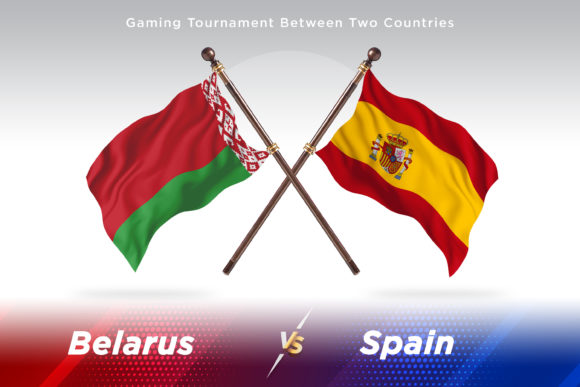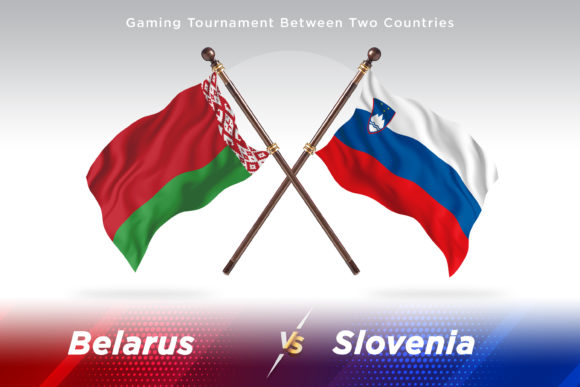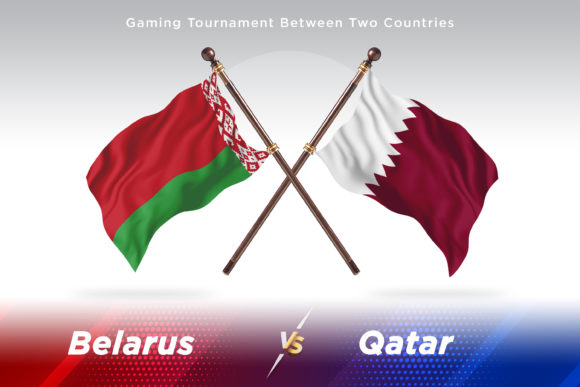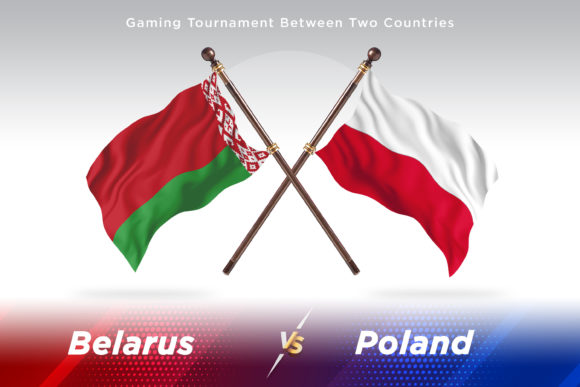
Belarus Versus Netherlands Two Flags
In the world of digital design, sports broadcasting, and international marketing, visual clarity is paramount. When you are tasked with creating content that represents a head-to-head comparison, whether for a football match, an esports tournament, or a geopolitical analysis, the quality of your assets matters immensely. This is where specialized graphic resources like the Belarus Versus Netherlands Two Flags illustration come into play. It is not merely about placing two images side-by-side; it is about conveying identity, rivalry, and national pride through high-fidelity, professionally crafted visuals.
The specific asset in question—a 3D waving flag composition featuring Belarus and the Netherlands—is designed to meet the rigorous demands of modern creators. By offering isolated layers, smart object functionality, and multiple file formats, this resource bridges the gap between static stock imagery and dynamic, editable design elements. For professionals ranging from freelance graphic designers to corporate branding teams, understanding the value of such a tool can significantly streamline workflows and elevate the final output.
Understanding the Core Concept
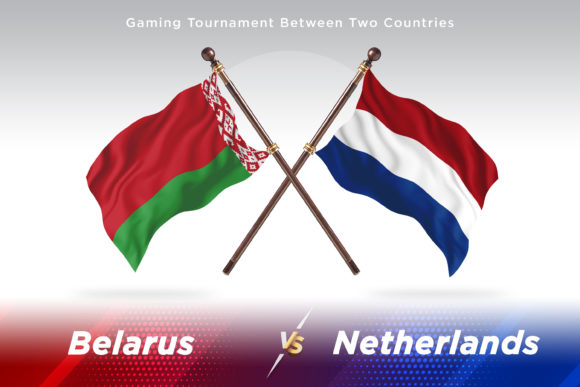
At its heart, the Belarus Versus Netherlands Two Flags concept is a comparative visual aid. It juxtaposes the national symbols of two distinct countries: Belarus, with its distinctive red and green palette and ornate white-red ornamentation, and the Netherlands, characterized by its bold horizontal tricolor of red, white, and blue. The "Versus" aspect implies competition, debate, or direct comparison. In practical terms, this could be used for predicting match outcomes, analyzing economic data, or simply celebrating cultural differences.
The visual execution described here utilizes a 3D rendering technique to simulate the natural movement of fabric. Unlike flat vector graphics that can sometimes feel sterile or outdated, a 3D waving position adds depth, realism, and emotional resonance. The flags appear to flutter in the wind, suggesting energy and motion. This is particularly effective in digital environments where capturing user attention within seconds is critical. The isolated background ensures that these vibrant colors do not clash with surrounding content, allowing for seamless integration into websites, presentations, or social media posts.
Key Characteristics and Technical Specifications
What sets this particular bundle apart from generic clip art is its technical sophistication. Designed for usability and flexibility, it offers several features that cater to both novice users and seasoned experts.
- High-Resolution Output: With dimensions of 4500 x 3000 pixels, the source PSD file provides ample resolution for large-format printing as well as crisp display on high-density screens. This ensures that text overlays, logos, or additional graphical elements placed near the flags remain sharp and legible.
- Smart Object Integration: One of the most valuable features is the use of smart objects. This allows designers to swap out the flag images without disrupting the complex lighting, shadows, and fold effects baked into the 3D model. If you need to change the Netherlands flag to another nation’s flag later in the project, you can do so instantly by replacing the smart object layer, saving hours of manual retouching.
- Layer Organization: A common frustration in template-based design is poorly organized files. This bundle boasts well-organized layers, making it easy to isolate specific parts of the image, adjust individual flag positions, or modify background transparency. This structural integrity is crucial for maintaining efficiency during collaborative projects.
- Multi-Format Availability: Beyond the editable PSD, the inclusion of JPEG and PNG versions caters to different workflow needs. Use the PNG for web designs requiring transparency, the JPEG for quick previews or low-bandwidth applications, and the PSD for full creative control.
Practical Applications Across Industries
The versatility of the Belarus Versus Netherlands Two Flags illustration extends across numerous sectors. Here is how different professionals might leverage this asset in their daily operations.
Sports Media and Broadcasting
In sports journalism, visual storytelling is key. Whether covering a friendly match, a World Cup qualifier, or a youth tournament, broadcasters and bloggers need engaging graphics. This 3D flag set can serve as a backdrop for scoreboards, prediction polls, or highlight reels. The realistic waving motion adds a dynamic element that static logos lack, making the content more shareable on platforms like Twitter, Instagram, and LinkedIn.
Educational Materials
Educators teaching geography, international relations, or European history can use this resource to illustrate bilateral relationships. Comparing the political systems, economies, or cultural traditions of Belarus and the Netherlands becomes more engaging when supported by accurate, high-quality national symbols. Teachers can easily edit the flags using the smart objects to create quizzes or interactive slides for students.
Digital Marketing and Advertising
For marketers targeting specific demographics, national identity plays a significant role in ad performance. An e-commerce site selling goods relevant to both regions might use this imagery in email campaigns or landing pages to personalize the user experience. The isolated background allows for clean integration into existing brand guidelines without color conflicts.
Event Planning and Promotions
If organizing an event that celebrates diversity or hosts international guests, having ready-made, professional-grade flag graphics simplifies the design process for banners, flyers, and digital invitations. The ability to customize the flags via smart objects means you can adapt the design for future events involving other nations without needing to commission new artwork every time.
Benefits for Workflow and User Experience
Adopting a resource like this offers tangible benefits beyond just aesthetics. First, there is the aspect of efficiency. Instead of spending time modeling 3D flags from scratch or searching for inconsistent stock photos, designers have a reliable, pre-vetted asset. This reduces production time and allows for faster turnaround on urgent projects.
Secondly, it enhances brand consistency. Because the flags are rendered in a uniform style with consistent lighting and texture, they look cohesive when paired with other branded elements. This professionalism builds trust with the audience. Users subconsciously associate high-quality visuals with credibility and authority.
Furthermore, the customizability offered by the smart objects empowers creators. You are not locked into a single composition. You can experiment with positioning, scale, and accompanying text to find the perfect balance for your specific layout. This flexibility is invaluable for A/B testing different designs to see which performs better in terms of engagement metrics.
Considerations for Implementation
While the asset is robust, there are practical considerations to keep in mind. Always ensure that the usage rights align with your intended application, especially if distributing the final design commercially. Although the prompt suggests the ability to request other flags, it is wise to confirm availability if your project scope expands beyond Belarus and the Netherlands.
Additionally, consider the context of your audience. In some sensitive geopolitical discussions, the presentation of flags must be handled with care to avoid unintended offense. Ensure that the placement and accompanying text are neutral, respectful, and factually accurate. The visual impact of the 3D waving flags should enhance the message, not distract from it or introduce bias.
Finally, optimize your exported files for the web. Even though the source is 4500 x 3000 px, serving such a large file directly to users will slow down page load times. Use compression tools to reduce file size while maintaining visual quality, ensuring that your content remains accessible and fast-loading for all users.
In conclusion, the Belarus Versus Netherlands Two Flags illustration is more than just a pair of national symbols. It is a versatile, high-quality design tool that supports a wide range of professional and creative endeavors. By leveraging its 3D realism, layered structure, and smart object capabilities, you can produce compelling, polished content that resonates with audiences and stands out in a crowded digital landscape.