Strategic Visual Identity: Leveraging the Belarus Versus Burkina Faso Two Flags Concept for Global Branding
In the rapidly evolving landscape of digital design and international branding, the ability to communicate complex geopolitical or cultural identities instantly is more valuable than ever. For professionals, creators, and marketers operating in a globalized economy, visual assets must be not only aesthetically pleasing but also technically robust and semantically clear. One such asset that has garnered attention among design enthusiasts and corporate communicators is the Belarus Versus Burkina Faso Two Flags concept illustration. This specific graphic resource offers a unique intersection of national symbolism, technical precision, and creative flexibility, making it a compelling case study in modern vector-based design workflows.
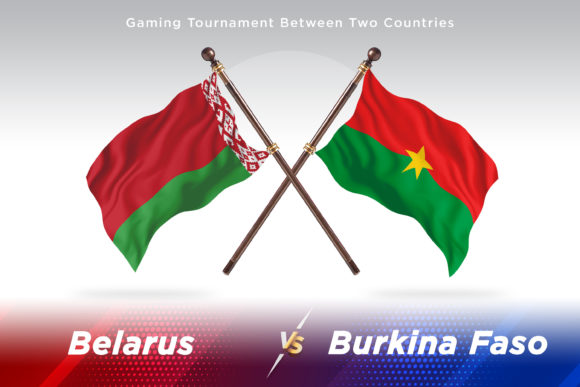
The core of this asset lies in its representation of two distinct nations—Belarus and Burkina Faso—through their official country flags. Presented as an isolated background illustration in a dynamic 3D waving position, this design moves beyond static imagery to evoke movement, pride, and diplomatic engagement. Whether used in sports journalism, international trade promotions, educational materials, or cultural exchange programs, the Belarus versus Burkina Faso Two Flags Versus concept serves as a powerful visual shorthand for comparison, competition, or collaboration.
Deconstructing the Asset: Technical Precision Meets Artistic Expression
To understand the value of this illustration, one must look beyond the surface level of color and shape. The design is engineered with a high degree of technical sophistication, catering to the needs of professional designers who require granular control over their final output. The file structure is built around a single PSD (Photoshop Document) measuring 4500 x 3000 pixels, providing a high-resolution canvas that ensures clarity across various media formats, from large-format print banners to high-density digital displays.
A critical feature of this asset is its layer organization. Each flag is isolated on its own layer, accompanied by proper naming conventions. This structural integrity allows users to edit specific elements without affecting the overall composition. For instance, a marketer might wish to adjust the lighting on the Belarusian flag while keeping the Burkinabè flag’s shading consistent with the rest of the scene. Thanks to the well-organized layers, these adjustments can be made with surgical precision. Furthermore, the inclusion of smart objects enables non-destructive editing. Designers can swap out textures, alter colors, or integrate custom branding elements seamlessly, ensuring that the final product aligns perfectly with their client’s specific requirements.
The Importance of Isolation and Layering in Modern Workflows
In an era where speed and customization are paramount, the ability to isolate components within a design file is not just a convenience; it is a necessity. The Belarus Versus Burkina Faso Two Flags concept exemplifies best practices in file management. By keeping each flag separate, the asset supports modular design approaches. A freelancer working on a campaign for a bilateral trade agreement might use the Belarus flag alone, while another team handling a football tournament bracket might use both flags side-by-side. The flexibility offered by the PSD format means that the same asset can serve multiple purposes, reducing the need for redundant creation and streamlining the creative process.
Additionally, the provision of JPEG and PNG versions alongside the PSD caters to different stages of the workflow. The rasterized formats are ideal for quick previews, web optimization, and integration into content management systems, while the source file remains available for deep customization. This multi-format approach reflects a forward-thinking strategy that anticipates the diverse needs of modern digital ecosystems.
Cultural Context and Geopolitical Relevance
Why focus on Belarus and Burkina Faso? While these two nations may not always dominate global headlines, their inclusion in a comparative visual format speaks to the growing importance of emerging markets and underrepresented voices in international discourse. Belarus, located at the crossroads of Europe and Asia, brings a rich history of Slavic culture and industrial heritage. Burkina Faso, nestled in West Africa, is known for its vibrant arts scene, resilient communities, and strategic role in regional economic development.
When these two flags are presented together in a "versus" or comparative layout, they invite viewers to explore the nuances of diversity and unity. In the context of sports, this could represent an exciting match-up between national teams, appealing to fans who follow international competitions beyond the traditional powerhouses. In the realm of business, it might symbolize potential partnerships between Eastern European and West African markets, highlighting opportunities for cross-continental collaboration. The visual impact of seeing the white-red-white stripes of Belarus juxtaposed against the red-green-gold stars and stripes of Burkina Faso creates a striking contrast that captures attention and sparks curiosity.
Bridging Markets Through Visual Storytelling
For entrepreneurs and marketers, storytelling is key to building connections. The Belarus versus Burkina Faso Two Flags Versus concept provides a ready-made narrative framework. It suggests a dialogue between two distinct cultures, encouraging audiences to look closer and learn more. This is particularly relevant in today’s consumer environment, where authenticity and inclusivity are highly valued. Brands that showcase a commitment to global diversity through their visual identity often resonate more deeply with audiences who seek meaningful engagement rather than superficial transactions.
Moreover, the 3D waving position of the flags adds a layer of dynamism to the image. Static images can sometimes feel disconnected from reality, but the simulation of wind and fabric movement introduces a sense of life and energy. This realism helps to ground the abstract concept of "nationhood" in tangible experience, making the visual more relatable and emotionally engaging.
Practical Applications for Creators and Professionals
The versatility of this asset opens up a wide range of practical applications. Here are several scenarios where the Belarus Versus Burkina Faso Two Flags concept can be effectively utilized:
- Sports Journalism and Broadcasting: News outlets covering international tournaments can use this illustration for graphics packages, social media posts, or article headers. The high resolution ensures that the flags remain crisp even when scaled down for mobile devices.
- Educational Materials: Teachers and curriculum developers can incorporate this image into lessons about world geography, cultural studies, or international relations. The labeled layers allow educators to create interactive presentations where students can click on specific parts of the flag to learn more about its symbolism.
- Corporate Events and Conferences: Organizations hosting events focused on global trade or cultural exchange can use this design for backdrops, brochures, or digital signage. The professional quality of the 3D rendering lends credibility and polish to any event branding.
- Digital Marketing Campaigns: Social media managers can leverage the eye-catching nature of the waving flags to boost engagement. The contrast between the two designs makes for compelling thumbnail images that stand out in crowded feeds.
Customization for Specific Brand Needs
One of the standout features of this asset is the promise of further customization. If a user requires flags of other countries not present in the bundle, the option to request additional designs highlights the creator’s commitment to comprehensive support. This service-oriented approach is invaluable for agencies or individuals working on projects that involve multiple nations. Instead of searching for disparate resources that may vary in style and quality, clients can rely on a cohesive suite of assets that maintain a consistent visual language.
This consistency is crucial for maintaining brand integrity. When all visual elements adhere to the same standards of realism, lighting, and composition, the resulting campaign feels unified and professional. The Belarus versus Burkina Faso Two Flags Versus concept sets a high bar for this kind of consistency, demonstrating how thoughtful design choices can elevate everyday communication tools.
Conclusion: Embracing Quality and Flexibility in Design
As we navigate an increasingly interconnected world, the demand for high-quality, adaptable visual assets continues to grow. The Belarus Versus Burkina Faso Two Flags concept illustrates the perfect balance between artistic expression and technical utility. Its detailed layering, high resolution, and realistic 3D rendering make it an indispensable tool for anyone looking to convey messages of international significance with clarity and impact.
For professionals in marketing, design, and education, this asset represents more than just a picture of two flags. It is a testament to the power of well-executed design to bridge gaps, tell stories, and inspire action. By choosing resources that prioritize organization, flexibility, and aesthetic excellence, creators can ensure that their work remains relevant and effective in meeting the changing needs of a dynamic global audience.
Whether you are designing for a local community event or a multinational corporation, incorporating assets like the Belarus versus Burkina Faso Two Flags Versus concept into your toolkit can enhance your ability to communicate with precision and style. As trends continue to shift towards greater inclusivity and digital sophistication, investing in premium, well-crafted design elements will undoubtedly pay dividends in terms of engagement, credibility, and overall success.