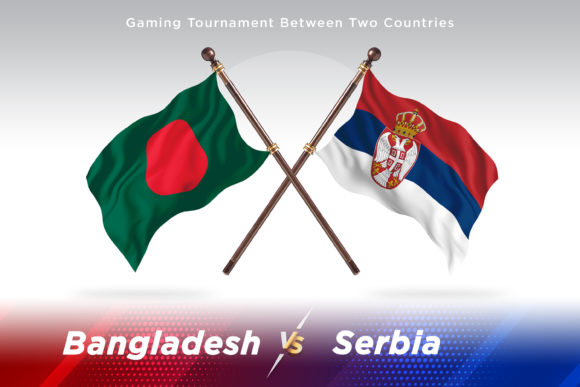
Bangladesh Versus Serbia Two Flags: A Visual Concept for Global Representation
Understanding the Bangladesh Versus Serbia Two Flags Illustration
The Bangladesh Versus Serbia Two Flags concept illustration is a powerful visual tool that highlights the unique identities of two nations through their official flags. This design showcases the national flags of Bangladesh and Serbia in an isolated 3D waving format, making it ideal for use in presentations, educational materials, marketing campaigns, and creative projects where clarity and symbolism are key.
By placing each flag on its own layer with clear labeling, this illustration allows users to manipulate and customize elements without affecting the overall composition. The inclusion of high-resolution formats like PSD, JPEG, and PNG ensures versatility across different platforms and applications, from digital displays to print media.
Design Features and Technical Advantages
This illustration comes with a range of features that make it both user-friendly and professional:
- One PSD File: The Photoshop file is designed at 4500 x 3000 pixels, providing ample resolution for detailed work or large-scale printing.
- High-Resolution JPEG and PNG Files: These formats are ready for immediate use in web and graphic design environments.
- Smart Object Editing: Users can easily modify the design by editing smart objects, preserving quality while enabling customization.
- Well-Organized Layers: Each flag is isolated on its own clearly named layer, simplifying the editing process and reducing the risk of accidental changes.
These technical advantages ensure that the Bangladesh versus Serbia Two Flags illustration is not only visually appealing but also highly functional for designers and creators working in various industries.
Applications Across Different Industries
The Bangladesh Versus Serbia Two Flags illustration has broad applicability due to its clean and scalable design. Here are some real-world use cases:
- International Business Presentations: When discussing trade agreements, partnerships, or diplomatic relations between Bangladesh and Serbia, having a clear and symbolic representation enhances communication.
- Political and Historical Education: Educators can use this visual aid to teach students about the historical context, cultural significance, and design elements of these two distinct national symbols.
- Graphic Design Projects: Whether designing a logo for a global event or creating promotional content for a travel agency, the layered structure makes it easy to integrate into other designs.
- Media and Journalism: News outlets covering international events or sports competitions involving teams from Bangladesh and Serbia can use this image to provide visual context and enhance storytelling.
- Cultural Exhibitions and Museums: Curators often need engaging visuals to represent countries and their heritage; this illustration serves as an accurate and artistic reference.
Why Use Isolated Backgrounds?
Isolated backgrounds are a common feature in modern design tools because they allow for maximum flexibility. In the case of the Bangladesh versus Serbia Two Flags illustration, this means the flags can be placed against any background—whether minimalist white, vibrant colors, or complex textures—without losing their visual impact or clarity.
This approach is especially useful when creating infographics, banners, or website headers where the background may vary depending on the project's theme or branding guidelines. The 3D waving effect adds dynamism, helping to capture attention and convey a sense of movement and vitality.
Comparing Flag Designs: Bangladesh and Serbia
Each country’s flag tells a story of its history, values, and identity. Understanding the differences between them can add depth to how the illustration is used or interpreted.
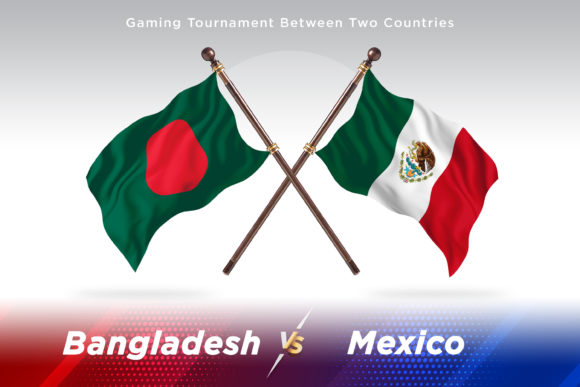
The flag of Bangladesh is a simple yet striking green field with a red circle at its center. Green represents the lush natural landscape and fertility of the land, while red symbolizes the blood spilled during the struggle for independence. It is one of the most recognizable flags in South Asia and is often associated with themes of resilience and unity.
On the other hand, the flag of Serbia consists of three equal horizontal stripes—red, blue, and white—with a coat of arms in the upper left corner. Red stands for bravery, blue for loyalty, and white for peace. The coat of arms includes a double-headed eagle and a shield bearing the Serbian cross, reflecting the country’s rich history and Orthodox Christian heritage.
By contrasting these two flags in the same illustration, viewers can appreciate the diversity of global symbols and the stories they represent. This is particularly valuable in contexts such as cultural exchanges, academic research, or geopolitical discussions.
Customization and Scalability
Thanks to the smart object editing feature in the PSD file, users can scale the flags independently or adjust their position, angle, and color without compromising the design's integrity. This level of control is essential for professionals who need to tailor the illustration to specific layouts or branding requirements.
For instance, if you're creating a poster for a friendly match between Bangladeshi and Serbian teams, you can reposition the flags to reflect the teams' positions or even change the lighting and wave intensity to match your vision. The ability to edit individual layers ensures that no detail goes unnoticed and every element contributes to the final output.
Relevance in Today’s Global Landscape
In our increasingly interconnected world, visual representations of countries play a crucial role in fostering understanding and appreciation for diverse cultures. The Bangladesh versus Serbia Two Flags illustration offers a neutral yet expressive way to showcase the relationship between two geographically and culturally distinct nations.
With globalization influencing everything from business strategies to social interactions, having access to accurate and adaptable flag illustrations is more important than ever. They help in creating inclusive content, supporting diplomatic efforts, and enhancing cross-cultural communication. This design meets those needs by combining accuracy with aesthetic appeal.
Ensuring Accuracy and Authenticity
Using official country flags is essential for maintaining credibility and respect in any project. The Bangladesh versus Serbia Two Flags illustration adheres strictly to the correct specifications for both flags, including size ratios, color codes, and emblem placement.
For example, the red circle in the Bangladeshi flag must have a diameter that is exactly half the height of the flag and be centered precisely. Similarly, the Serbian flag requires precise stripe measurements and the correct orientation of the coat of arms. Deviating from these standards could lead to misinterpretation or unintended offense, which is why this illustration ensures compliance with international flag usage protocols.
Expanding the Design for Other Nations
If your project involves more than just Bangladesh and Serbia, you can request additional flags to be included in similar format. This makes the illustration a scalable solution for representing multiple countries in a single cohesive design.
Whether you're preparing a presentation on economic ties between Asian and European countries or designing a multicultural festival banner, the ability to add more flags with consistent style and structure is a major benefit. You can maintain the same visual language throughout your design, ensuring a professional and harmonious look.
Practical Tips for Using the Illustration
To get the most out of the Bangladesh Versus Serbia Two Flags illustration, consider the following tips:
- Always check the aspect ratio before resizing to avoid distortion.
- Use the smart objects to replace flag images if you want to incorporate new flags later.
- Ensure the background complements the colors of the flags to maintain visibility and contrast.
- Keep text and labels legible by using appropriate font sizes and spacing.
- Test the design in both digital and print formats to confirm its adaptability.
These practices will help you maintain the quality and relevance of the illustration, regardless of the platform or purpose.
Conclusion Through Practical Example
Imagine a scenario where a researcher is presenting findings on the growing economic collaboration between South Asian and Balkan countries. By incorporating the Bangladesh versus Serbia Two Flags illustration, they can quickly establish a visual connection between the two regions, making complex data easier to digest for a broad audience.
In another case, a designer might use this illustration to create a background for a global sports event featuring teams from both countries. The layered structure and 3D effect would allow for seamless integration with logos, team names, and sponsor graphics.
These examples highlight how the illustration bridges the gap between abstract concepts and tangible visuals, reinforcing its value in professional and personal settings alike.
A Resource for Everyone
From educators crafting lesson plans on international relations to hobbyists exploring the art of flag design, the Bangladesh Versus Serbia Two Flags illustration caters to a wide array of users. Its structured layout and editable components empower individuals to express ideas with precision and creativity.
Business owners can leverage it to build trust and inclusivity in their marketing, while researchers can use it to support their analyses with strong visual evidence. For content creators, it provides a reliable base for storytelling and engagement.
The illustration is not merely a decorative asset—it is a functional, informative, and versatile component of modern design workflows.
Final Thoughts
The Bangladesh versus Serbia Two Flags concept illustration exemplifies how thoughtful design can serve both aesthetic and practical purposes. With its high resolution, smart object capabilities, and well-organized layers, it supports a wide range of applications while staying true to the essence of national symbolism.
Whether you're using it for education, business, or creative expression, this illustration brings clarity, professionalism, and a touch of global perspective to your work. And with the option to include other official flags, it remains a flexible and evolving resource for all your international design needs.