Belarus Versus Grenada Two Flags: Design Inspiration
In the world of digital design, sports graphics, and international branding, few elements carry as much immediate visual weight as national flags. They are concise symbols of identity, history, and pride. When you look at a composition featuring Belarus versus Grenada two flags, you are looking at more than just two pieces of cloth; you are looking at a study in contrast, color theory, and cultural representation. This specific pairing offers a unique canvas for designers, content creators, and marketers who need to evoke a sense of global competition or cross-cultural dialogue.
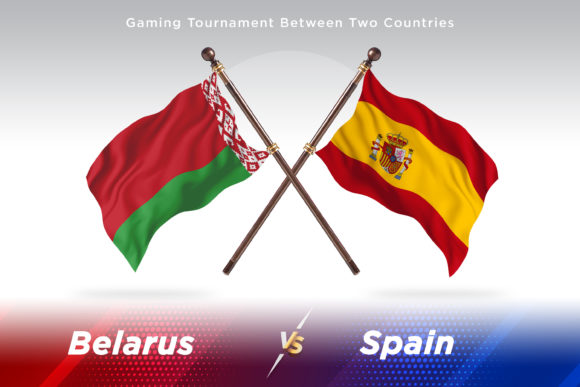
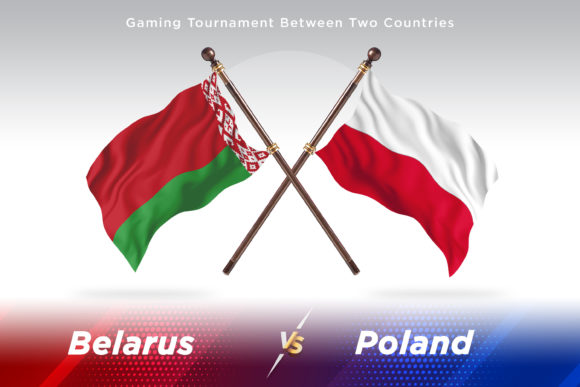
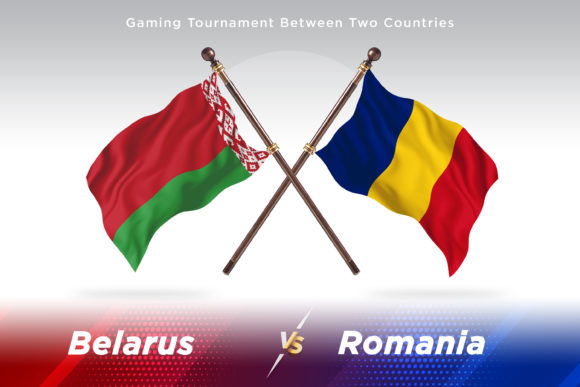
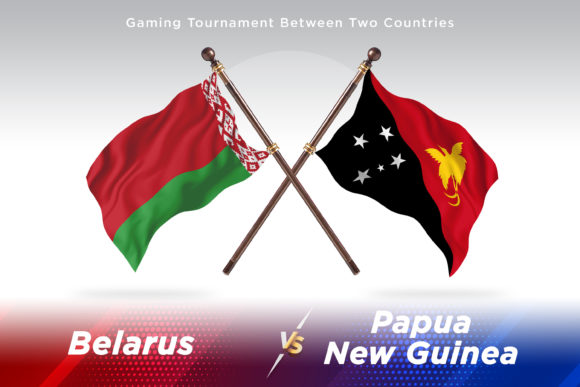
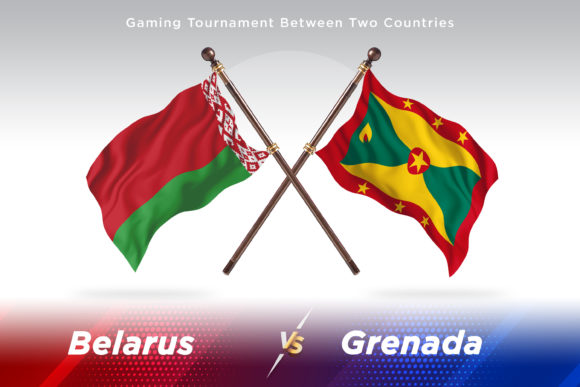
The concept is straightforward yet rich with potential. On one side, you have Belarus, with its distinctive red and green stripes and intricate white-red ornamental pattern on the hoist. On the other, Grenada brings the vibrant warmth of its yellow border, central star, and nutmeg imagery against a background of red, yellow, and green. Placing these two isolated on their own layers allows for infinite creative manipulation. Whether you are building a tournament bracket, designing social media assets, or creating educational materials, having high-quality, 3D-waving flag illustrations is essential for professional results.
Visual Contrast and Color Theory
One of the most compelling aspects of using Belarus versus Grenada two flags in your projects is the interplay of color palettes. Good design often relies on balance, and this particular duo provides it naturally. Belarus’s flag is dominated by earthy greens and bold reds, grounded by a stark white ornamentation that speaks to tradition and heritage. Grenada’s flag, conversely, radiates energy with its bright yellows, deep reds, and lush greens, framed by a golden border that suggests value and tropical warmth.
When you isolate these flags on separate layers within a PSD file, you gain the ability to manipulate opacity, blend modes, and shadows independently. This technical freedom allows you to create depth. Imagine a scenario where the Belarusian flag casts a subtle shadow onto the Grenadian flag, or where they overlap slightly to create a unified "versus" badge. The 3D waving position adds realism, suggesting motion and life. For a designer, this means moving beyond flat, static icons into dynamic compositions that capture attention. The variation in hue—from the cool tones of the Belarusian green to the warm yellows of the Grenadian sun—creates a visual tension that is inherently engaging to the viewer.
Practical Applications for Digital Creators
Who needs this kind of asset? The audience is broader than you might think. If you are a sports blogger covering international friendlies or regional tournaments, having pre-made, high-resolution flag pairs saves hours of work. You can quickly generate thumbnails for articles discussing historical matches between Eastern European and Caribbean nations, even if such matchups are rare. The novelty itself becomes a hook for readers.
- Sports Journalism: Create instant graphics for match previews, player spotlights, or statistical comparisons. The clean isolation of the flags ensures they remain legible regardless of the background image used behind them.
- Educational Content: Teachers and educators can use these visuals in presentations about geography, culture, or international relations. The detailed rendering helps students recognize specific national symbols, such as the coat of arms details often integrated into flag designs.
- Social Media Campaigns: Marketers running global campaigns can use these flags to segment audiences or celebrate diverse communities. A post asking "Which team are you supporting?" with these two distinct flags can drive high engagement due to the curiosity factor of an unusual matchup.
Leveraging Smart Objects for Efficiency
The technical specifications of this asset bundle are designed to streamline your workflow. The inclusion of smart objects is a game-changer for efficiency. Instead of manually recreating the waving fabric effect every time you need a new variation, you can simply double-click the smart object layer. This opens up the source file where you can swap out colors, textures, or even replace the entire flag design while retaining the complex lighting and shadow effects applied to the 3D model.
This feature is particularly useful for agencies or freelancers handling multiple clients. If a client requests a "Versus" graphic but wants to switch from Grenada to another country later, you don’t need to start from scratch. You update the smart object, and the entire composition adjusts automatically. This not only speeds up production but also reduces the risk of errors. The well-organized layers mean that text overlays, drop shadows, and background elements can be toggled on or off without affecting the integrity of the flag illustration itself.
Creative Interpretations and Variations
Beyond standard usage, consider how you can interpret the Belarus versus Grenada two flags concept through different stylistic lenses. While the default 3D waving style is realistic and polished, you can experiment with blending modes to achieve abstract effects. Try setting the blending mode to "Overlay" or "Soft Light" to merge the patterns of the two flags into a textured background for album covers or podcast art.
Another approach is to focus on the symbolic meaning. The nutmeg on the Grenadian flag represents spice and trade, while the Belarusian ornament represents agricultural roots and folk art. In a blog post about global trade routes or agricultural exports, these flags serve as perfect visual anchors. You can animate them in video editing software to wave in sync with music beats, creating a dynamic intro sequence for YouTube videos or TikTok clips. The key is to let the visual properties of the flags inform the narrative of your project.
Maintaining Consistency and Quality
When working with international symbols, accuracy and respect are paramount. Using official country flags ensures that your designs are culturally appropriate and recognizable. The provided bundle includes the correct proportions and colors, which is crucial for maintaining credibility. Amateur designs often get the shade of green wrong or misplace the emblem, which can distract viewers and undermine your authority.
To keep your results consistent across various platforms, stick to the original dimensions of 4500 x 3000 pixels when possible. This high resolution allows you to crop and resize for any format, from large web banners to small mobile icons, without losing clarity. Always export in PNG format for transparent backgrounds, ensuring your flags integrate seamlessly into any layout. If you find yourself needing additional flags for future projects, remember that expanding your library of isolated, layered assets is always a wise investment. The ability to quickly assemble accurate, high-quality graphics gives you a competitive edge in a crowded digital landscape.
Ultimately, the value of this asset lies in its versatility. It is not just a picture of two flags; it is a tool for communication. By understanding the visual dynamics between Belarus and Grenada, and by utilizing the technical features like smart objects and organized layers, you can produce designs that are not only aesthetically pleasing but also effective in conveying your message. Whether you are highlighting a sporting event, teaching a class, or launching a brand campaign, starting with a solid, professional foundation makes all the difference.